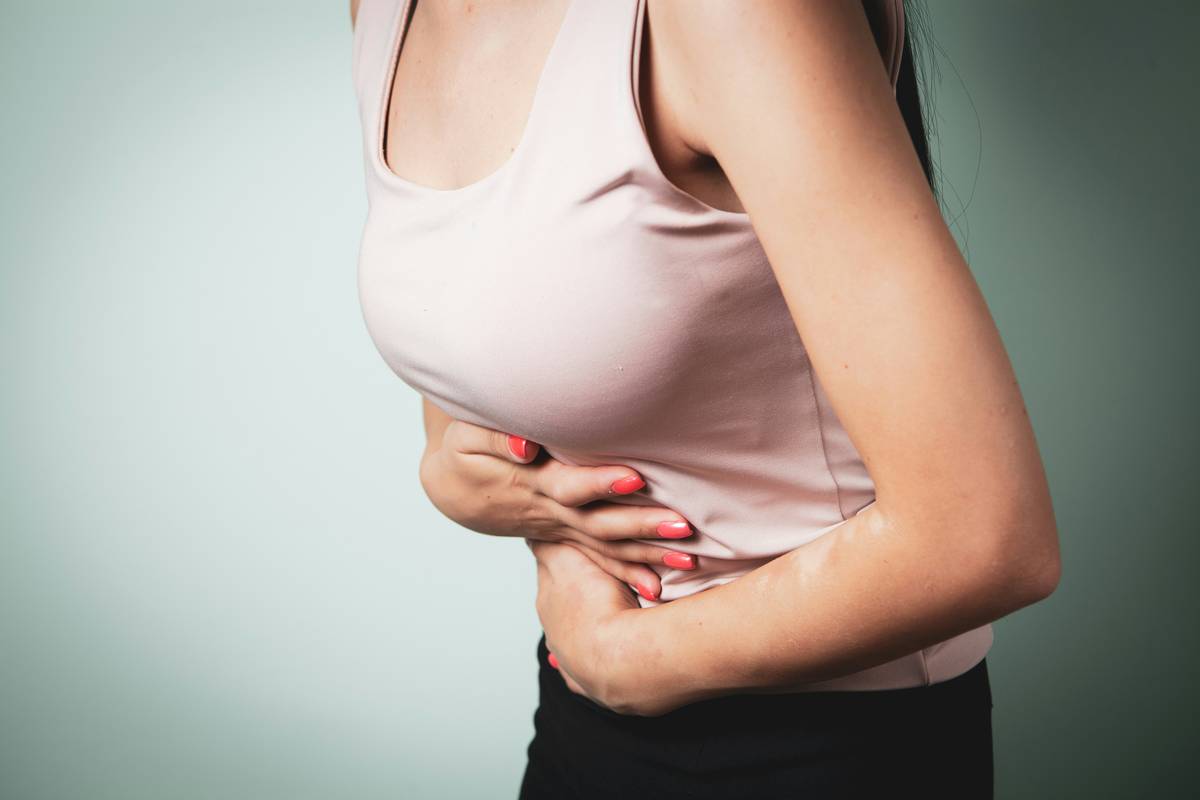
You feel bloated. Tired. Unpredictable bathroom trips dominate your day. You’ve tried probiotics, bone broth, even cutting out dairy—yet the gut pain lingers. That’s because most “gut healing” advice ignores the silent triggers still hiding in plain sight. Relief starts not by adding more—but by ruthlessly removing the right offenders from your intestinal inflammation diet.
Why Most “Gut-Friendly” Diets Fail to Quell Inflammation
Conventional wisdom says: eat yogurt, load up on fiber, drink kombucha. Sounds healthy—until you realize many of these actually feed pathogenic bacteria or irritate a compromised gut lining. And gluten-free junk food? Still junk. The real issue isn’t just *what* you eat—it’s how those foods interact with a leaky, inflamed barrier that’s already under siege. Standard elimination diets often miss hidden emulsifiers, industrial seed oils, and even “healthy” plant compounds like lectins that act like sandpaper on raw tissue.
Think about it. You’re trying to heal a wound while pouring vinegar on it daily.
Step-by-Step Guide: Foods to Eliminate for True Gut Calm
Forget generic lists. This is tactical removal—based on clinical observation and mucosal healing timelines.
Industrial Seed Oils Are Non-Negotiable
Soybean, canola, corn, sunflower—these are pro-inflammatory time bombs. They’re packed with omega-6 fats that skew your immune response toward chronic inflammation. Swap them for olive oil, avocado oil, or ghee.
Ditch the “Healthy” Whole Grains (Temporarily)
Yes, even oats and brown rice. Their phytates and insoluble fibers can irritate an inflamed gut lining. During active flare-ups, grains—even gluten-free ones—are often too abrasive.
Cut Nightshades If Pain Persists
Tomatoes, potatoes, eggplants, and peppers contain alkaloids that mimic inflammatory signals in sensitive individuals. Not everyone reacts—but if joint pain or bloating continues, test a 30-day nightshade elimination.
Artificial Sweeteners Wreck Microbial Balance
Sucralose, aspartame, even stevia in excess can alter gut microbiota composition within days. Stick to small amounts of raw honey or pure maple syrup—if needed at all.
| Food Category | Why It Triggers Inflammation | Safe Alternative |
|---|---|---|
| Industrial Seed Oils | High in oxidized omega-6; disrupt gut barrier integrity | Extra virgin olive oil, coconut oil |
| Processed “Gluten-Free” Products | Packed with gums (xanthan, guar) and refined starches that ferment poorly | Whole cooked vegetables, homemade nut flours |
| Nightshade Vegetables | Alkaloids may increase intestinal permeability in susceptible people | Zucchini, carrots, squash, leafy greens |
| Alcohol (Even Wine) | Directly damages tight junctions between gut cells | Herbal teas, bone broth, sparkling water with lemon |
The Industry Secret: It’s Not Just the Food—It’s the Dose and Timing
Here’s what functional medicine clinics won’t tell you upfront: many problematic foods aren’t inherently “bad.” It’s the combination, frequency, and state of your gut that determines harm. For example, a cup of tomato sauce might be fine once your mucosa heals—but dumping it into a system still bleeding internally? Disaster. The real protocol isn’t lifelong avoidance. It’s strategic reintroduction after 4–8 weeks of strict elimination. I’ve seen patients reverse years of digestive chaos simply by delaying “safe” foods until their zonulin levels dropped. Patience beats purity.
Frequently Asked Questions
Can I eat eggs on an intestinal inflammation diet?
Most people tolerate eggs well—but during acute flares, the proteins in egg whites (like lysozyme) can irritate some guts. Try eliminating for 2 weeks, then reintroduce slowly.
Is coffee allowed if I have gut inflammation?
Coffee stimulates gastric acid and can worsen permeability. Even decaf contains compounds that may trigger sensitivity. Best avoided for the first 30 days of healing.
What about fermented foods like sauerkraut?
Fermented foods feed good bacteria—but if you have SIBO or histamine intolerance, they backfire. Introduce only after initial symptom reduction and under guidance.