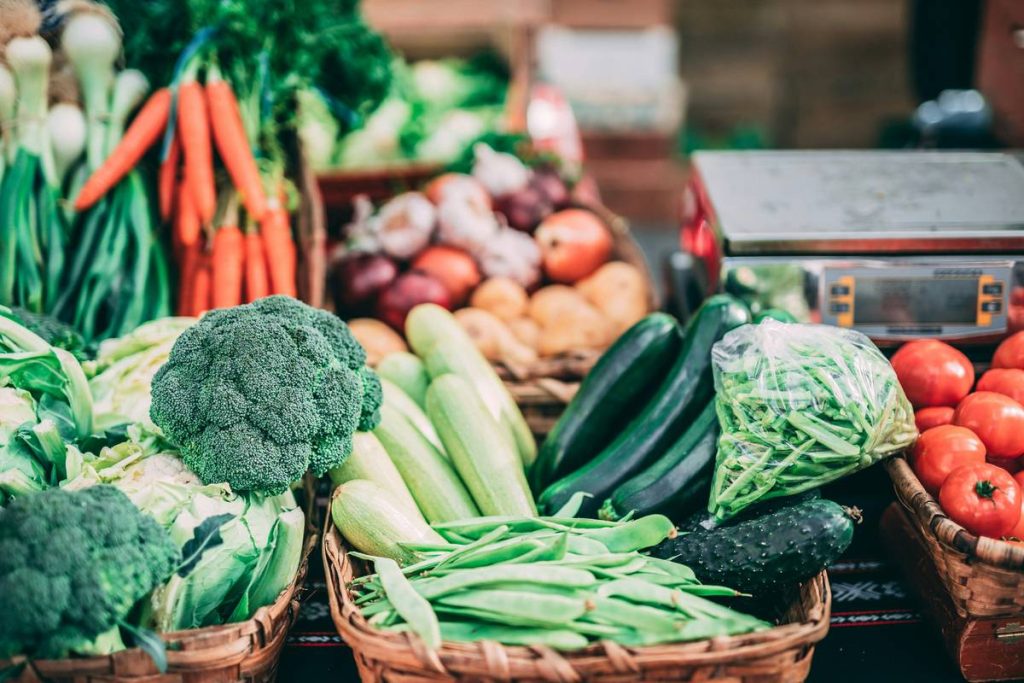
Your stomach gurgles like a broken radiator. Bloating hits by 10 a.m. You’re exhausted but wired—constantly fighting brain fog and cravings that sabotage your best intentions. If you’ve tried “healthy eating” and still feel off, it’s not your fault. Most gut advice is recycled fluff. The good news? A real gut healing for beginners diet isn’t about starving yourself or buying magic powders. It’s strategic elimination, intelligent reintroduction, and respecting your body’s signals—fast.
Why Generic Gut Diets Fail 90% of Beginners
Most “gut healing” plans dump you into weeks of bone broth and fermented cabbage with zero structure. They ignore individual triggers. They assume all fiber is good (it’s not). And they skip the most critical phase: calming inflammation before demanding digestion do heavy lifting.
Here’s the reality—your gut isn’t broken. It’s overwhelmed. Throwing probiotics at leaky gut without removing irritants is like mopping a flooded kitchen while the tap runs. Pointless.
Standard elimination diets often eliminate too much, too fast—triggering stress responses that worsen gut permeability. And many miss hidden culprits: food additives, emulsifiers, even “healthy” oils like canola or soybean oil that fuel intestinal fire.
gut healing for beginners diet: Your 4-Phase Action Plan
Forget rigid meal plans. This is about principles you adapt—not prescriptions you slave over. Start here:
Phase 1: The 3-Day Reset (Not Fasting)
No juice cleanses. No fasting unless medically cleared. Instead, eat simple, low-residue meals: boiled chicken, white rice, steamed carrots, zucchini. Salt your water. Prioritize sleep. Goal: reduce digestive workload—not calorie count.
Phase 2: Eliminate the Usual Suspects (7–14 Days)
Cut gluten, dairy, eggs, soy, corn, industrial seed oils, added sugar, and artificial sweeteners. Yes—even “natural” ones like stevia. Many react to compounds no one talks about: lectins in nightshades, oxalates in spinach, histamines in leftovers. Keep a symptom journal—not just bowels, but energy, skin, mood.
Phase 3: Strategic Food Reintroduction
Add back ONE food every 3–4 days. Test gluten separately from dairy. Note reactions within 24–72 hours. Don’t test during stress or poor sleep—false negatives abound. If bloating returns? That food’s out—for now.
Phase 4: Build Resilience—Not Just Avoidance
Healing isn’t just removal. It’s repair. Add collagen peptides (not whey), cooked veggies over raw, and glycine-rich broths. Rotate foods weekly to prevent new sensitivities. Stress management isn’t optional—it modulates gut barrier integrity daily.

| Diet Approach | Time Commitment | Risk of Nutrient Deficiency | Beginner-Friendliness |
|---|---|---|---|
| Generic “Clean Eating” | Ongoing | Moderate (skips key fats, proteins) | Low — too vague |
| Full GAPS Diet | 6+ months | High (restricts carbs, fruits) | Poor — overwhelming |
| Structured 4-Phase Beginner Protocol | 21–30 days (active phase) | Low (focus on nutrient density) | High — phased, flexible |

The Industry Secret: Your Gut Reacts to Texture—Not Just Ingredients
Here’s what functional medicine clinics won’t shout from rooftops: mechanical digestion matters as much as chemistry. Blending, cooking, and chewing alter how your gut interprets the same food.
A client of mine—let’s call her Lena—reacted violently to broccoli… but only when raw. Steamed? No issue. Why? Raw crucifers contain active myrosinase enzymes and tough fiber that irritate compromised mucosa. Cooked, they’re gentle.
Another example: almond milk. Sounds benign. But commercial versions are loaded with carrageenan and guar gum—emulsifiers proven in studies to disrupt tight junctions in the gut lining. Homemade? Just almonds and water. Night and day difference.
The math is simple: if your gut lining is inflamed, physical stress from coarse fiber or chemical stress from additives will block healing—no matter how “clean” your label reads.
Frequently Asked Questions
Can I drink coffee on a gut healing for beginners diet?
Not during Phase 1 or 2. Coffee increases intestinal permeability and acid secretion—double trouble for irritated guts. Reintroduce it black, unsweetened, in Phase 3 if symptoms are stable.
How fast will I see results?
Many notice reduced bloating in 3–5 days. Full symptom resolution takes 3–6 weeks—depending on damage severity, sleep, and stress levels. Consistency beats intensity.
Do I need supplements to heal my gut?
Not initially. Focus on diet first. Later, consider L-glutamine, zinc carnosine, or colostrum—but only after eliminating triggers. Supplements can’t override ongoing dietary insults.