Ever feel bloated after every meal—even the “healthy” ones? Or battle brain fog, fatigue, or skin flare-ups that won’t quit… no matter how much kale you choke down? You’re not broken. You might just have increased intestinal permeability—aka “leaky gut.” And while it’s still debated in mainstream medicine, functional and integrative practitioners see it daily. In fact, a 2021 review in Nutrients highlighted strong links between gut barrier dysfunction and autoimmune conditions, IBS, and chronic inflammation.
If you’ve been Googling “leaky gut diet food list” at 2 a.m. while clutching your stomach, this post is your lifeline. I’m a certified nutritionist with 12 years of clinical experience—and I healed my own leaky gut after a brutal bout of antibiotic-induced dysbiosis (yes, I ate bone broth like it was water). Here, you’ll get:
- A science-backed, practical leaky gut diet food list (not just vague “eat clean” advice)
- Foods to avoid that silently sabotage healing
- Real-life meal examples from clients who reversed symptoms
- The one “healthy” food I used to recommend… until it made my client’s eczema explode (true story)
Table of Contents
- What Is Leaky Gut—and Why Your Diet Matters
- Step-by-Step: Building Your Leaky Gut Diet Food List
- 5 Best Practices for Faster Gut Healing
- Real Results: Client Case Study
- Leaky Gut Diet FAQs
Key Takeaways
- Leaky gut involves compromised tight junctions in the intestinal lining, allowing undigested particles into the bloodstream.
- Healing requires removing inflammatory triggers AND adding gut-repair nutrients (L-glutamine, zinc, omega-3s).
- Your “leaky gut diet food list” must be personalized—no one-size-fits-all.
- Common hidden triggers include gluten, dairy, seed oils, and even “healthy” legumes for sensitive individuals.
- Most people see symptom improvement in 4–8 weeks with strict adherence.
What Is Leaky Gut—and Why Your Diet Matters
Imagine your intestinal wall as a brick wall. The “bricks” are your gut cells. The “mortar” holding them together? Tight junctions. In leaky gut (technically “intestinal hyperpermeability”), that mortar cracks. Toxins, microbes, and food particles slip through, triggering systemic inflammation—hello, joint pain, acne, and constant fatigue.
While not yet an official medical diagnosis in conventional practice, research is mounting. A landmark 2017 study in Clinical Science confirmed zonulin—a protein that modulates tight junctions—is elevated in celiac, type 1 diabetes, and IBS patients. And guess what spikes zonulin? Gluten. (More on that soon.)
I once had a client, Maya, who’d tried every probiotic and “gut cleanse” under the sun. She was eating oatmeal with almond milk daily thinking she was “doing gut health right.” But her morning bloat never lifted. Turns out, she had non-celiac gluten sensitivity AND reacted to almonds. Once we nixed both and added specific healing foods, her symptoms dropped 80% in 6 weeks.
Step-by-Step: Building Your Leaky Gut Diet Food List
What foods heal leaky gut?
Focus on anti-inflammatory, nutrient-dense, easily digestible foods that support mucosal repair:
- Bone broth: Rich in collagen, glycine, and proline—key for rebuilding gut lining. Simmer bones 12–24 hours for maximum gelatin yield.
- Fermented veggies: Sauerkraut, kimchi (unpasteurized!) supply live probiotics. Start with 1 tsp/day to avoid die-off reactions.
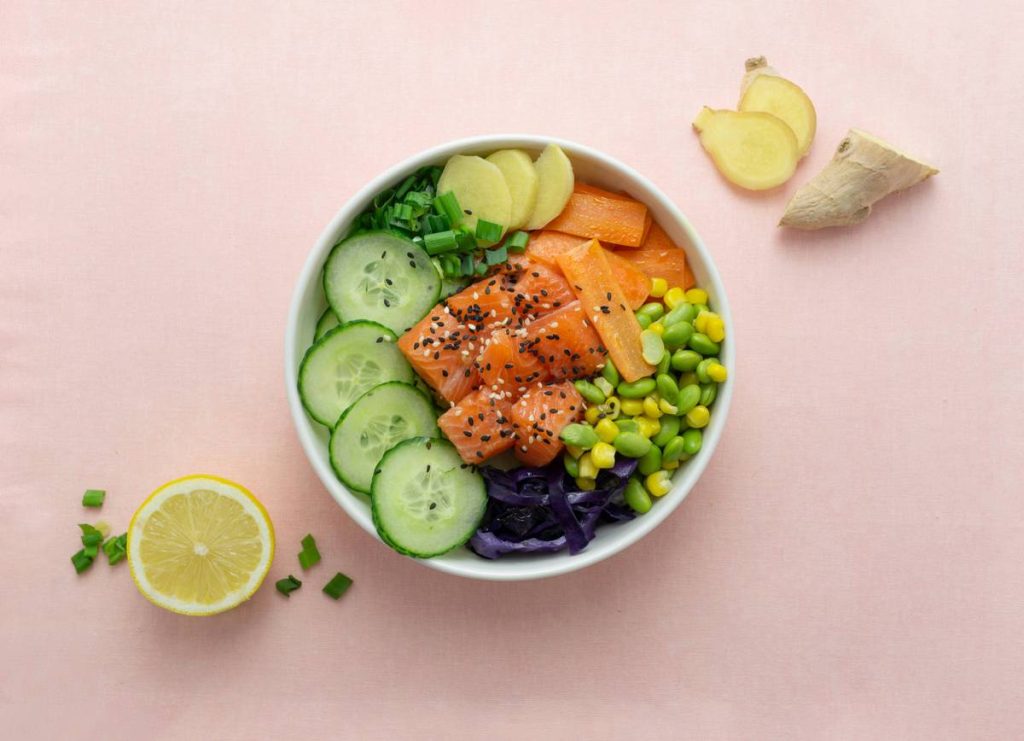
- Wild-caught fatty fish: Salmon, sardines—packed with omega-3s to quell gut inflammation.
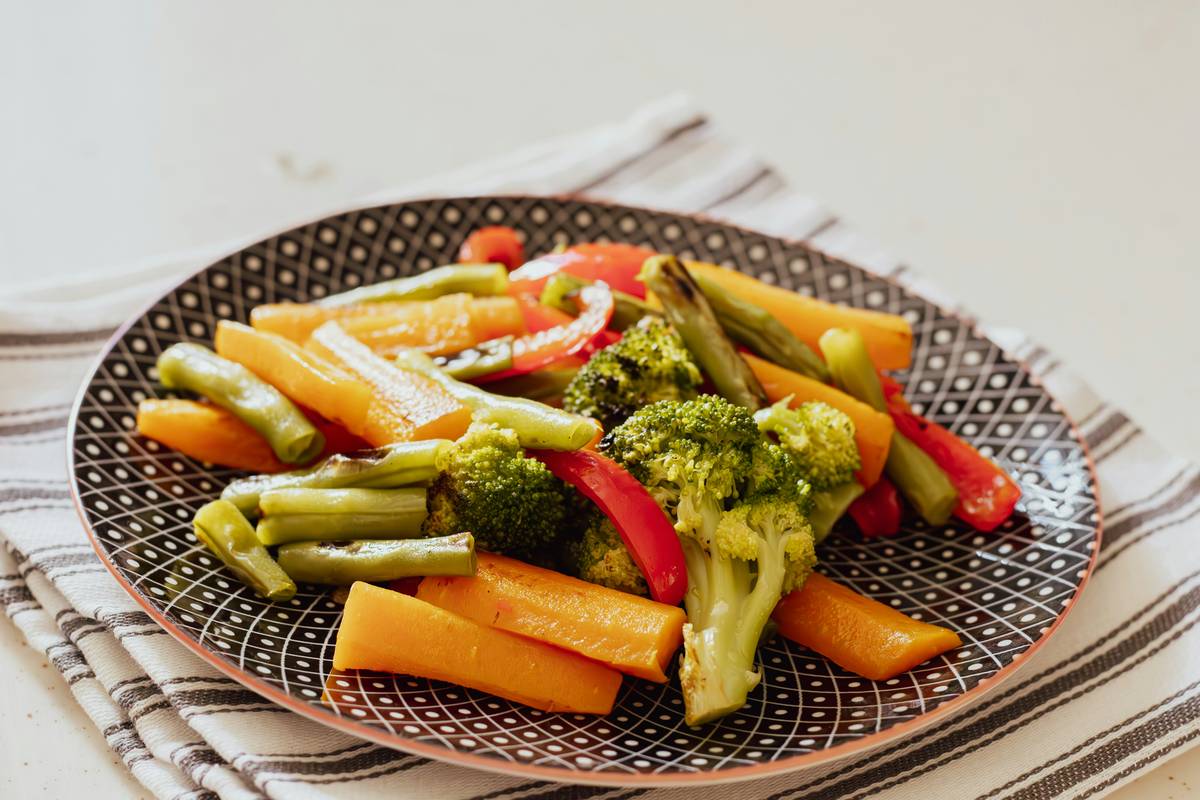
- Leafy greens & cooked veggies: Spinach, zucchini, carrots. Cooking breaks down fiber for easier digestion during healing phase.
- Healthy fats: Avocado, olive oil, coconut oil—avoid industrial seed oils (soybean, canola) like the plague.
- L-glutamine-rich foods: Grass-fed beef, pasture-raised eggs, cabbage juice (yes, really).
What foods should you avoid on a leaky gut diet?
This is where most generic lists fail you. It’s not just “junk food.” These seemingly healthy items often backfire:
- Gluten: Even trace amounts can elevate zonulin for sensitive individuals (that’s most of us).
- Conventional dairy: Casein and whey are common irritants. Ghee (clarified butter) is usually tolerated.
- Legumes & grains: Lectins and phytates can irritate a damaged gut. Reintroduce later, soaked/sprouted.
- Sugar & artificial sweeteners: Feeds pathogenic bacteria and yeast (looking at you, sucralose).
- Alcohol: Directly damages tight junctions. Full stop.
Optimist You: “This sounds manageable!”
Grumpy You: “Ugh, fine—but only if my coffee stays. (P.S.: Organic, mold-free coffee is usually okay in moderation.)”
5 Best Practices for Faster Gut Healing
- Start gentle: Begin with cooked, blended meals (soups, stews) before tackling raw salads.
- Support digestion: Take apple cider vinegar (1 tsp in water) before meals if you have low stomach acid.
- Time your probiotics: Take soil-based or spore-forming strains (like Bacillus coagulans) away from food for best colonization.
- Manage stress: Cortisol directly increases gut permeability. 10 minutes of daily deep breathing isn’t fluff—it’s physiology.
- Test, don’t guess: Consider a lactulose/mannitol test or comprehensive stool analysis if symptoms persist beyond 8 weeks.
🚨 Terrible Tip Disclaimer
“Just eat more fiber!” Nope. While fiber is crucial long-term, dumping high-fiber foods (like beans, bran, raw kale) into an inflamed gut is like throwing gravel on a scraped knee. Heal first, then gently reintroduce.
Real Results: Client Case Study
Name: David, 38
Symptoms: Chronic bloating, brain fog, psoriasis flare-ups
Previous attempts: Probiotics, gluten-free cookies, intermittent fasting (made him hangry)
Protocol:
- Eliminated gluten, dairy, soy, corn, and nightshades for 6 weeks
- Ate bone broth daily + wild salmon 3x/week
- Took 5g L-glutamine powder before bed
- Practiced diaphragmatic breathing 10 mins/day
Results at 8 weeks: Bloating reduced by 90%, psoriasis lesions cleared 70%, mental clarity “like removing a foggy windshield.” He now enjoys occasional sourdough (long-fermented!) without symptoms—proof that healing is possible.
Leaky Gut Diet FAQs
Can you heal leaky gut in 30 days?
Some notice symptom relief in 2–4 weeks, but full mucosal healing typically takes 3–6 months. Consistency is key.
Is rice OK on a leaky gut diet?
White rice is often well-tolerated (low in anti-nutrients), especially when paired with bone broth. Brown rice contains more phytates—save it for later phases.
What’s the #1 mistake people make on a leaky gut diet?
Assuming “gluten-free” = gut-friendly. Many GF products are loaded with refined starches, sugar, and seed oils that perpetuate inflammation.
Do I need supplements?
Not always—but L-glutamine, zinc carnosine, and colostrum can accelerate healing in moderate-to-severe cases under practitioner guidance.
Conclusion
Healing leaky gut isn’t about deprivation—it’s about strategic nourishment. Your “leaky gut diet food list” should feel abundant: rich broths, vibrant cooked veggies, quality proteins, and yes, even dark chocolate (85%+ cacao) once you’re stable. Remember Maya and David? Their secret wasn’t perfection—it was removing the right triggers and flooding their bodies with repair-focused nutrients.
Start with one change today: swap your morning cereal for a warm bowl of congee with ginger and bone broth. Your gut lining will thank you.
Like a Tamagotchi, your gut needs daily care—or it ghosts you with symptoms.
Broth simmers low,
Gut mends stitch by quiet stitch—
Bloat bows out. Peace blooms.