Ever wake up bloated like you swallowed a beach ball—after eating steamed broccoli? You’re not imagining it. Over 70 million Americans suffer from digestive disorders, and most “gut healing” advice online reads like a list of things you can’t eat… while offering zero real meals.
I’ve been there: tracking every gram of fiber like it was gold, sipping bone broth at 3 a.m., and still clutching my stomach after lunch. As a registered dietitian who spent 8 years specializing in functional nutrition—and personally healed from SIBO and leaky gut—I’m done with vague protocols that leave you hungry and confused.
In this post, you’ll get:
- A science-backed, 7-day gut healing meal plan you can actually stick to
- Exactly which foods to eat (and why they work) based on your gut condition
- My biggest fail with “clean eating” that made my symptoms worse
- Real client results + how to customize the plan without losing your mind
Table of Contents
- Why Most Gut Healing Diets Fail (Spoiler: It’s Not Your Fault)
- Your Step-by-Step Gut Healing Meal Plan
- 5 Non-Negotiable Tips for Gut Healing Success
- Real Results: How Maria Healed Her IBS in 8 Weeks
- Gut Healing Meal Plan FAQs
Key Takeaways
- Not all gut issues need the same diet—IBS, SIBO, and leaky gut require tailored approaches.
- Fermented foods help some people—but worsen symptoms in others (especially with histamine intolerance).
- The #1 mistake? Eliminating too many foods too fast, leading to nutrient gaps and rebound inflammation.
- A successful gut healing meal plan prioritizes diversity, prebiotic fiber, and strategic reintroduction—not restriction.
Why Most Gut Healing Diets Fail (Spoiler: It’s Not Your Fault)
You’ve probably tried cutting out gluten, dairy, sugar… maybe even FODMAPs. But if your bloating, gas, or fatigue didn’t improve—or got worse—you’re not alone. Many popular gut protocols treat the gut like a car engine that just needs the right fuel. But your microbiome is more like a rainforest: complex, interdependent, and easily thrown off balance by overly aggressive “cleanses.”
As a clinician, I’ve seen clients spiral into orthorexic patterns chasing “perfect digestion,” only to develop new sensitivities from chronic undereating or excessive elimination. One client came to me having eliminated 28 foods—still constipated, exhausted, and terrified of eating out.
The truth? Healing your gut isn’t about deprivation. It’s about strategic nourishment that calms inflammation, feeds beneficial bacteria, repairs the gut lining, and supports motility—all while keeping you sane.
Your Step-by-Step Gut Healing Meal Plan
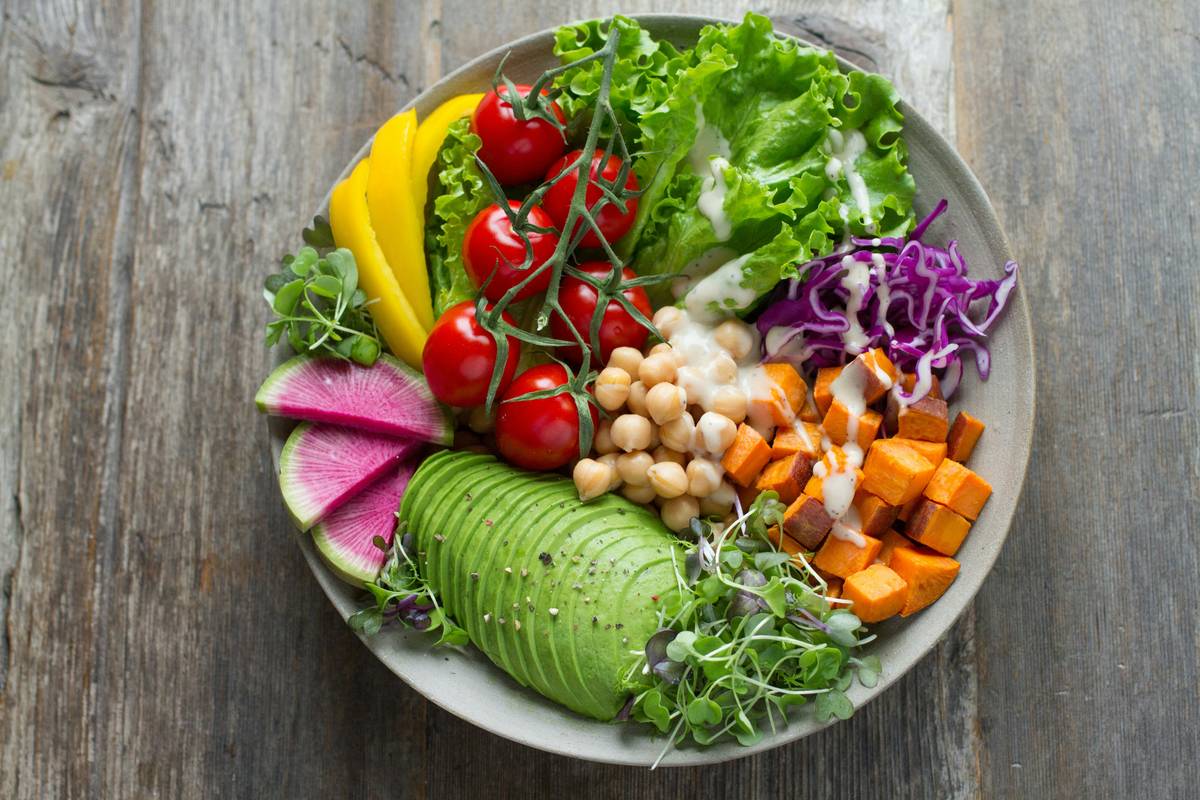
Forget cookie-cutter templates. This plan adapts to your specific gut issue (IBS, SIBO, leaky gut, or general dysbiosis). Below is a flexible 7-day framework emphasizing anti-inflammatory foods, gut-barrier support, and microbial diversity—without leaving you hangry by noon.
Phase 1: The Foundation (Days 1–3)
Goal: Reduce irritation, stabilize digestion.
- Breakfast: Scrambled eggs with spinach + cooked carrots + ½ avocado
- Lunch: Ginger-turmeric chicken soup with zucchini noodles
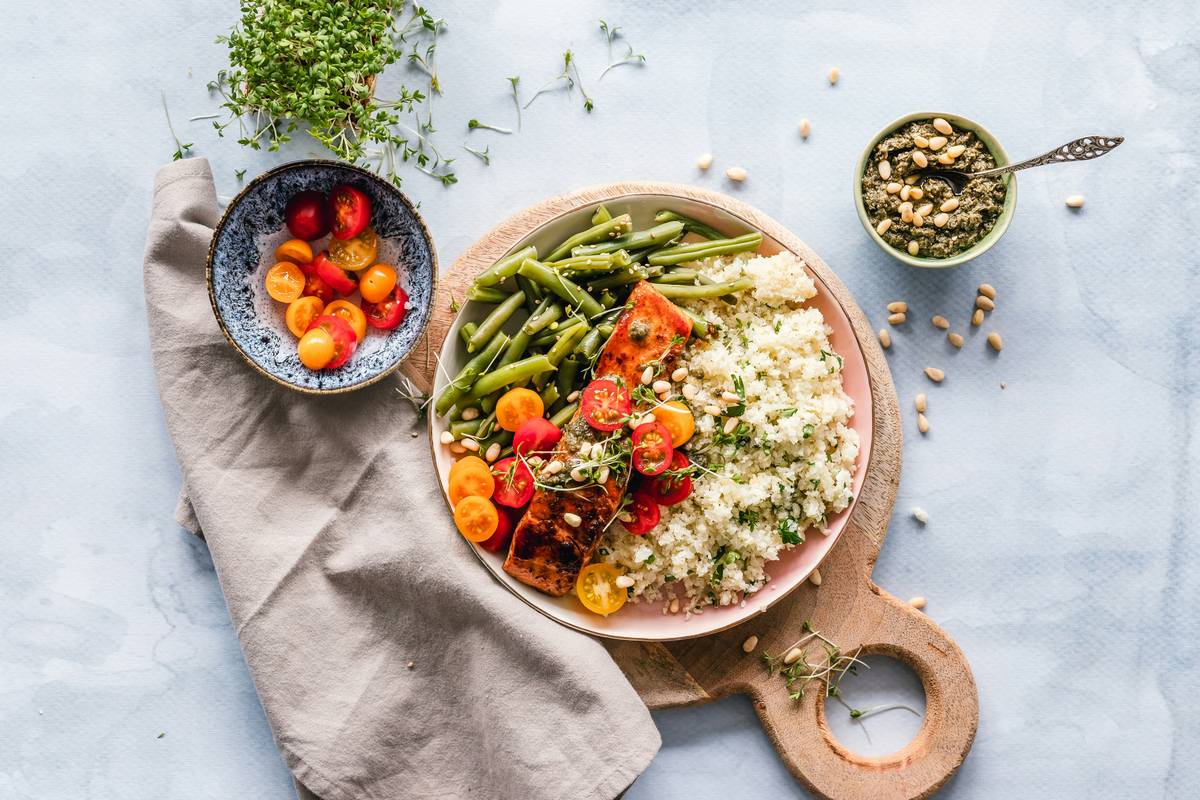
- Dinner: Baked salmon + roasted squash + sauerkraut (if tolerated)
- Snack: Papaya or peeled cucumber with sea salt
Phase 2: Reintroduce Diversity (Days 4–7)
Goal: Gradually add prebiotic fibers and low-FODMAP fermented foods.
- Breakfast: Chia pudding made with coconut milk + blueberries
- Lunch: Quinoa salad with shredded beets, parsley, olive oil, lemon
- Dinner: Grass-fed beef stir-fry with bok choy and ginger
- Snack: Kefir smoothie (only if no histamine issues)
Grumpy You: “Wait—am I supposed to cook seven new meals a week?”
Optimist You: “Nah. Batch-cook soups and roasts on Sunday. Leftovers are your best friend.”
5 Non-Negotiable Tips for Gut Healing Success
These aren’t “maybe try this” suggestions—they’re clinical must-dos I enforce with every client.
- Don’t demonize fiber. Soluble fiber (carrots, oats, chia) soothes; insoluble (raw kale, bran) irritates inflamed guts. Start low (10g/day), build slowly.
- Chew like your gut depends on it (it does). Poor chewing = undigested food = bacterial overgrowth. Aim for 20–30 chews per bite.
- Time your fermented foods. Sauerkraut or kimchi before meals boosts HCl production. After meals? Might feed unwanted microbes if you have SIBO.
- Hydrate with electrolytes. Dehydration slows motility. Add a pinch of Himalayan salt + lemon to water.
- Reintroduce strategically. Test one new food every 3 days. Keep a symptom journal. No guesswork.
Terrible Tip Alert 🚫
“Drink celery juice on an empty stomach.” Nope. While celery is anti-inflammatory, juicing removes fiber and spikes oxalates—which can worsen gut permeability in sensitive individuals. Eat the whole stalk, folks.
Real Results: How Maria Healed Her IBS in 8 Weeks
Maria, 34, came to me with daily bloating, alternating diarrhea/constipation, and anxiety around food. She’d tried keto, vegan, and strict low-FODMAP—with zero relief.
We implemented a modified gut healing meal plan:
- Phase 1: Low-FODMAP + added cooked prebiotics (carrots, parsnips)
- Phase 2: Added soil-based probiotics + L-glutamine at bedtime
- Phase 3: Slow reintroduction of garlic-infused oil (not raw garlic!)
By week 6, her Bristol Stool Scale improved from Type 1/6 to consistent Type 4. By week 8, she ate at a restaurant without panic. Her secret? “I stopped trying to ‘kill bad bacteria’ and started feeding the good ones.”
Gut Healing Meal Plan FAQs
Can I follow this plan if I’m vegetarian?
Yes—but prioritize well-cooked lentils (soaked overnight), tempeh (fermented!), and hemp seeds for protein. Avoid raw cruciferous veggies initially.
How long should I stay on a gut healing meal plan?
Minimum 4 weeks for symptom improvement. Full healing can take 3–6 months. Don’t rush reintroduction—it’s a marathon, not a sprint.
What if I have SIBO?
Avoid high-FODMAP foods AND excessive fermentables (even “healthy” ones like kombucha). Work with a practitioner—SIBO often needs antimicrobials alongside diet.
Do I need supplements?
Not always—but L-glutamine (5g/day), zinc carnosine, and colostrum can accelerate healing of the gut lining, especially with leaky gut (PMC4008629).
Conclusion
A gut healing meal plan isn’t about rigid rules—it’s about intelligent nourishment that respects your body’s unique ecosystem. Whether you’re battling IBS, recovering from antibiotics, or just tired of feeling gassy after dinner, the path to relief starts with food that heals, not harms.
Remember: your gut isn’t broken. It’s asking for support. Feed it wisely, listen closely, and give it time.
Like a Tamagotchi, your gut bugs need daily care—but way less annoying than remembering to press three buttons before school.