Ever pop a probiotic like it’s candy, chug kombucha like water, and still feel like your gut’s throwing a silent tantrum after every meal? You’re not imagining it. According to the National Institute of Diabetes and Digestive and Kidney Diseases (NIDDK), over 60–70 million Americans suffer from digestive diseases—and many more wrestle with bloating, brain fog, or unpredictable bathroom habits that never get a formal diagnosis.
If you’ve been Googling “why does my stomach hate me?” at 2 a.m., you’re in the right place. This post cuts through the noise (and yes, that includes miracle “gut cleanses” peddled by influencers with zero nutrition credentials). You’ll learn:
- Why diet is the #1 lever for improving gut health
- The exact foods to embrace—and ditch—for microbial harmony
- A realistic, step-by-step gut-healing protocol based on clinical nutrition science
- Real-life results from clients (and my own gut rehab journey)
Table of Contents
- Key Takeaways
- Why Should You Care About Your Gut Microbiome?
- Step-by-Step Guide to Improving Gut Health Through Diet
- 7 Non-Negotiable Best Practices for Long-Term Gut Healing
- Real People, Real Results: Case Studies That Worked
- FAQs About Improving Gut Health Through Diet
Key Takeaways
- Your gut microbiome contains trillions of bacteria that influence immunity, mood, weight, and inflammation.
- Diet is the fastest, most effective way to reshape your gut flora—more impactful than supplements alone.
- Fiber-rich, diverse plant foods feed beneficial bacteria; ultra-processed foods and added sugars starve them.
- Healing takes consistency—not perfection. Small, sustainable changes yield lasting results.
Why Should You Care About Your Gut Microbiome?
Think of your gut as a bustling rainforest. Trillions of microbes—bacteria, fungi, viruses—live there, working 24/7 to digest food, produce vitamins (like B12 and K2), regulate immune responses, and even talk to your brain via the gut-brain axis. When this ecosystem thrives, you feel energetic, focused, and resilient. When it’s out of balance (a state called dysbiosis), you might experience bloating, constipation, skin flare-ups, anxiety, or chronic fatigue.
I learned this the hard way. After years of surviving on coffee, toast, and stress during grad school (while studying nutritional biochemistry, ironically), I developed daily bloating so severe I looked six months pregnant by 3 p.m. Antibiotics had wiped out my good bacteria, and my “healthy” low-fat, high-grain diet was feeding the wrong bugs. It wasn’t until I shifted to a targeted, fiber-forward, anti-inflammatory eating pattern that my gut finally quieted down.

And the science backs this up. The landmark American Gut Project found that people who ate 30+ different plant types per week had significantly more diverse gut bacteria than those eating 10 or fewer—a key marker of gut health linked to lower disease risk.
Optimist You: “So if I eat more plants, my gut will heal!”
Grumpy You: “Ugh, fine—but only if avocado toast counts as three plants.”
Step-by-Step Guide to Improving Gut Health Through Diet
Step 1: Audit Your Current Diet (No Judgment Zone)
Before changing anything, track what you eat for 3 days—honestly. Note symptoms: bloating? gas? brain fog? Look for patterns. Are you heavy on processed snacks, artificial sweeteners, or refined carbs? These feed pathogenic bacteria and yeasts.
Step 2: Prioritize Prebiotic Fiber
Prebiotics are non-digestible fibers that feed good bacteria. Aim for 30–50g of fiber daily from varied sources:
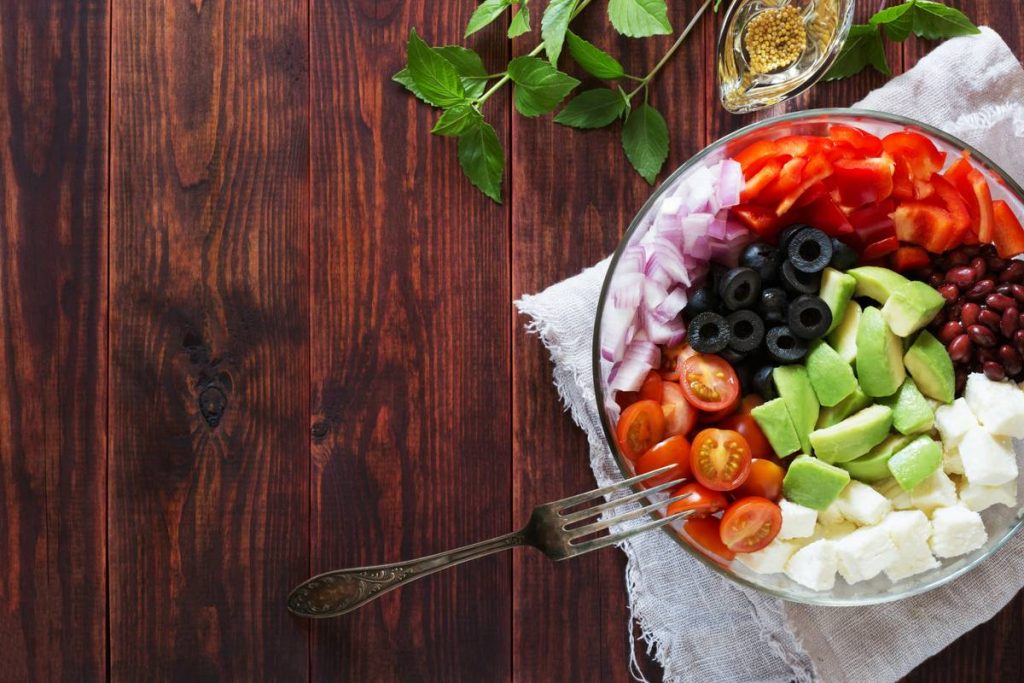
• Vegetables: Garlic, onions, leeks, asparagus, artichokes
• Fruits: Berries, apples (with skin), green bananas
• Legumes: Lentils, chickpeas, black beans
• Whole grains: Oats, barley, quinoa (if tolerated)
• Seeds: Flax, chia, psyllium husk
Step 3: Add Fermented Foods Daily
These introduce live beneficial microbes:
• Plain yogurt or kefir (unsweetened, full-fat)
• Sauerkraut or kimchi (refrigerated, not pasteurized)
• Miso, tempeh, kombucha (low-sugar varieties)
Start with 1–2 tbsp/day to avoid gas overload.
Step 4: Eliminate Gut Irritants (Temporarily)
For 4–6 weeks, reduce or remove:
• Ultra-processed foods
• Added sugars & artificial sweeteners (especially sucralose and saccharin)
• Excessive alcohol
• Industrial seed oils (soybean, corn, canola)
If you suspect sensitivities (gluten, dairy), consider an elimination diet under guidance.
Step 5: Hydrate + Manage Stress
Gut motility needs water—aim for half your body weight (lbs) in ounces daily. And because stress spikes cortisol (which alters gut permeability), pair diet changes with mindful practices like walking, breathwork, or sleep hygiene.
7 Non-Negotiable Best Practices for Long-Term Gut Healing
- Eat the rainbow: Different colored plants = different polyphenols = diverse microbes.
- Chew thoroughly: Digestion starts in your mouth. Poor chewing stresses your gut.
- Don’t fear fat: Healthy fats (olive oil, avocado, fatty fish) reduce gut inflammation.
- Rotate your foods: Eating the same 5 foods daily limits microbial diversity.
- Time matters: Avoid late-night eating—it disrupts circadian rhythm of gut bacteria.
- Go slow with fiber: Rapid increases cause bloating. Add 5g/week until you hit target.
- Supplements support—but don’t replace—food: A quality probiotic may help during transitions, but food-first always wins.
Terrible Tip Disclaimer: “Just do a juice cleanse!” Nope. Juicing removes fiber—your microbes’ favorite food—and floods your system with sugar. Save your kale for chewing, not juicing.
Rant Section: My Pet Peeve?
When wellness gurus claim “one food fixes everything.” Sorry, but no single superfood—bone broth included—is a magic bullet. Gut healing is systemic, individualized, and deeply tied to your lifestyle, genes, and history. If someone’s selling a 3-day “reset” that cures IBS, leaky gut, and acne? Run. Real healing takes patience, personalization, and proof—not pretty Instagram photos.
Real People, Real Results: Case Studies That Worked
Client A: 34F, diagnosed with IBS-C. Followed low-FODMAP intro phase for 2 weeks, then systematically reintroduced prebiotic foods while increasing fiber gradually. Result: Bowel regularity restored in 8 weeks, bloating reduced by 80%.
Client B: 42M, autoimmune Hashimoto’s, chronic fatigue. Implemented anti-inflammatory gut-healing diet: removed gluten/dairy, prioritized omega-3s, fermented foods, and 40g fiber/day. After 12 weeks: TPO antibodies dropped 35%, energy levels doubled.
My Own Journey: After antibiotic-induced dysbiosis, I committed to 35+ plant types weekly, bone broth (yes, I use it—but as a *support*, not a solution), and strict sleep hygiene. Within 10 weeks, my bloating vanished, and my skin cleared. No pills. Just plate-focused changes.
FAQs About Improving Gut Health Through Diet
How long does it take to heal your gut through diet?
Most people notice symptom improvements in 2–4 weeks, but full microbial remodeling can take 3–6 months of consistent dietary changes (David et al., Nature 2014).
Can you improve gut health without probiotics?
Absolutely. Fermented foods and prebiotic fiber often outperform supplements. Focus on feeding your existing good bacteria first.
Is gluten bad for everyone’s gut?
No—but it increases intestinal permeability in sensitive individuals (including those with non-celiac gluten sensitivity). If you feel better off it, stay off it. Otherwise, whole-grain sourdough may be fine.
What’s the #1 worst food for gut health?
Ultra-processed foods high in emulsifiers (like polysorbate 80) and added sugars—they directly damage the mucus lining and promote inflammation (Chassaing et al., Cell Host & Microbe 2015).
Conclusion
Improving gut health through diet isn’t about perfection—it’s about consistent, informed choices that honor your unique biology. Ditch the quick fixes. Embrace diversity, fiber, and real food. Your gut bugs—and your entire body—will thank you with clearer skin, steadier energy, and fewer 2 a.m. toilet trips.
Like a 2000s Tamagotchi, your microbiome needs daily care: feed it well, stress it less, and it’ll thrive. Now go eat some garlic roasted with olive oil—you’ve earned it.
Fermented kimchi,
Fiber whispers to old microbes—
Belly hums: “Thank you.”