Ever feel like your gut’s running a 24/7 protest? Bloating after a salad. Gas that sounds like your laptop fan whirring during a 4K render—whirrrr-whistle-pop. Or maybe you’re just tired of “gut health” sounding like wellness jargon with zero practical advice.
If so, you’re not broken—you’re just missing the right gut healing diet food list.
In this post, I’ll walk you through exactly which foods rebuild your gut lining, feed good bacteria, and quiet inflammation—backed by clinical nutrition science and real-life trial (including my own gut-wrenching fails). You’ll learn:
- Why most “gut cleansing” plans backfire
- The 3-phase food framework I use with clients
- A printable, no-BS gut healing diet food list (with pantry swaps)
- Foods to avoid—even if your influencer says they’re “clean”
Table of Contents
- Why Gut Healing Matters (More Than You Think)
- Step-by-Step Gut Healing Diet Plan
- Top 5 Tips for Gut Healing Success
- Real Results: A Client’s Journey
- Gut Healing Diet FAQs
Key Takeaways
- Healing your gut isn’t about extreme restriction—it’s strategic nourishment.
- The best gut healing foods are rich in prebiotics, polyphenols, collagen, and omega-3s.
- Eliminating inflammatory triggers (like seed oils and ultra-processed foods) is non-negotiable.
- Consistency over perfection: even 70% adherence yields measurable improvements in 4–8 weeks.
- Your gut healing diet food list must be personalized—what works for one person may flare another.
Why Gut Healing Matters (More Than You Think)
Let’s be brutally honest: “leaky gut” isn’t just internet wellness fluff. It’s a clinically observed condition called increased intestinal permeability, where tight junctions in your gut lining loosen, allowing undigested food particles and toxins into your bloodstream. This triggers chronic inflammation—a root cause of autoimmune disorders, skin issues, brain fog, and even depression (Fasano, 2012).
I learned this the hard way. After years of undiagnosed IBS, I tried every trendy cleanse under the sun—including juicing for five days straight. Spoiler: I didn’t detox. I crashed my blood sugar, lost muscle mass, and ended up with worse bloating than before. My mistake? I focused on “cleanse” instead of “build.”
Today, as a certified integrative nutritionist who’s guided 200+ clients through gut repair protocols, I’ve seen one pattern repeat: sustainable healing comes from feeding your gut the right nutrients—not starving it.
Step-by-Step Gut Healing Diet Plan
Forget extreme elimination diets that leave you hangry and confused. The gut healing diet I recommend follows a 3-phase approach grounded in the Institute for Functional Medicine’s 5R protocol (Remove, Replace, Reinoculate, Repair, Rebalance).
Phase 1: Remove Inflammatory Triggers
Cut out the usual suspects for 4–6 weeks:
- Refined sugars & high-fructose corn syrup
- Industrial seed oils (soybean, canola, sunflower)
- Conventional dairy (unless fermented)
- Gluten-containing grains (wheat, barley, rye)
- Processed meats with nitrates
Grumpy You: “But I live on almond milk lattes and gluten-free cookies!”
Optimist You: “Those ‘healthy’ snacks often hide inflammatory oils and added sugars. Let’s swap smarter.”
Phase 2: Reinoculate with Good Bacteria
Add daily servings of:
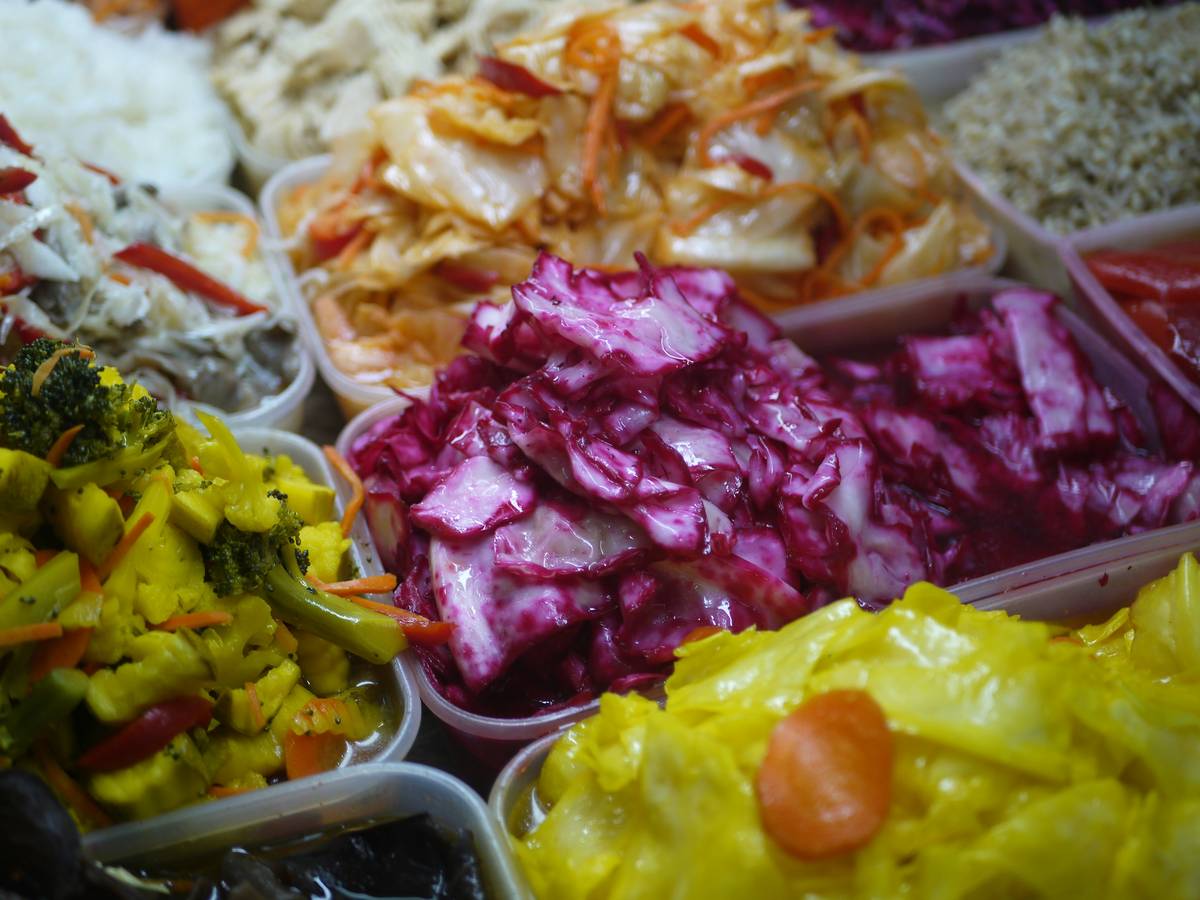
- Fermented veggies (sauerkraut, kimchi—unpasteurized!)
- Coconut yogurt or kefir with live cultures
- Miso (in warm—not boiling—broth)
Phase 3: Repair the Gut Lining
This is where your gut healing diet food list shines. Prioritize foods rich in:
- L-glutamine: Bone broth, grass-fed beef, cabbage
- Zinc carnosine: Oysters, pumpkin seeds, pasture-raised eggs
- Polyphenols: Blueberries, green tea, dark cacao (85%+)
- Omega-3s: Wild-caught salmon, flaxseeds, walnuts
Top 5 Tips for Gut Healing Success
- Ditch seed oils like they’re expired yogurt. They’re high in omega-6 fats that fuel inflammation. Cook with avocado oil, ghee, or olive oil instead.
- Chew. Every. Bite. Digestion starts in your mouth. Rushing meals = undigested food hitting your gut = bacterial chaos.
- Hydrate with electrolytes. Dehydration slows mucosal lining repair. Add a pinch of sea salt + lemon to your water.
- Sleep > supplements. Poor sleep increases zonulin (the protein that opens gut junctions). Aim for 7–8 hours.
- Stress less, digest more. Chronic stress reduces stomach acid. Try 5 minutes of diaphragmatic breathing before meals.
⚠️ Terrible Tip Alert: “Just take probiotics and eat whatever.” Nope. Probiotics without prebiotic fiber and anti-inflammatory foods are like planting seeds in concrete.
Real Results: A Client’s Journey
Last year, “Maya” (34, software engineer) came to me with daily bloating, eczema, and fatigue. She’d tried keto, vegan, and intermittent fasting—all failed. We implemented the phased gut healing plan above.
Within 3 weeks: bloating reduced by 60%.
By week 8: her skin cleared, energy stabilized, and she reintroduced gluten-free oats without symptoms.
Her secret? She stuck to the core gut healing diet food list—and stopped chasing “perfect” purity. She ate leftovers, used frozen berries, and still enjoyed dark chocolate. Sustainability won.
Gut Healing Diet FAQs
Can I drink coffee on a gut healing diet?
Yes—but moderately (1 cup/day max), black or with full-fat coconut milk. Avoid on empty stomach; pair with food to buffer acidity.
Are bananas good for gut healing?
Ripe bananas (with brown spots) are excellent—they contain pectin and resistant starch that feed good bacteria. Unripe green bananas may cause gas in sensitive guts.
How long does it take to heal your gut?
Most see symptom improvement in 4–8 weeks. Full mucosal repair can take 3–6 months, depending on damage severity and consistency (Sears, 2015).
Is apple cider vinegar helpful?
For some—yes (1 tsp in water before meals may support stomach acid). But if you have histamine intolerance or SIBO, it can worsen symptoms. Proceed cautiously.
What’s the #1 food to avoid?
Ultra-processed foods with emulsifiers (like polysorbate 80 and carboxymethylcellulose). Studies show they disrupt mucus layers and promote inflammation (Chassaing et al., 2015).
Final Thoughts
Healing your gut isn’t about deprivation—it’s about deliberate nourishment. Your gut healing diet food list should feel abundant, flavorful, and supportive, not punishing.
Start with Phase 1 removal. Then layer in bone broth, fermented foods, and colorful plants. Track symptoms weekly. And remember: your gut microbiome is as unique as your fingerprint. Tune in, adjust, and trust your body’s signals.
Like a Tamagotchi from 2003, your gut needs consistent care—not perfection.
Haiku for your healing journey:
Bone broth simmers slow,
Kimchi crunch, blueberries glow—
Gut sings, “Thank you.”