Ever wake up feeling like your stomach’s hosting a WWE smackdown—bloating, gas, cramps, and zero clue why? You’re not alone. Over 70 million Americans suffer from digestive issues, yet most start their healing journey by googling “gut health diet for beginners” at 2 a.m., surrounded by empty kombucha bottles and half-eaten sourdough. (Guilty.)
This guide isn’t another “just eat yogurt” oversimplification. It’s your no-BS, science-backed roadmap to calming your gut—written by someone who’s walked this path (hello, post-antibiotic IBS flare-up in 2019). You’ll learn exactly how to begin a gut-healing diet without obsessing over every label, why fiber matters more than probiotics at first, and which “healthy” foods might be sabotaging you. Let’s get that belly quiet—and your energy roaring.
Table of Contents
- Why Should Beginners Even Care About Gut Health?
- Your 5-Step Gut Health Diet Plan for Beginners
- 7 Non-Negotiable Best Practices (Backed by GI Docs)
- Real People, Real Results: Before & After Gut Healing
- FAQs: Gut Health Diet for Beginners Edition
Key Takeaways
- Start with elimination, not supplementation—remove irritants before adding “healing” foods.
- Soluble fiber (not just probiotics) is your #1 ally for rebuilding a stable microbiome.
- Most beginners fail by going too restrictive too fast; sustainable change beats perfection.
- Cooked veggies > raw during initial healing—your gut needs gentleness first.
- Hydration + sleep are non-negotiable co-pilots in gut repair (yes, really).
Why Should Beginners Even Care About Gut Health?
If you think gut health is just about pooping “correctly,” think again. Your gut microbiome—a thriving metropolis of 100 trillion bacteria—directly influences immunity (70% of it lives in your gut!), mood (90% of serotonin is made there), and even skin clarity. When it’s out of balance (a state called dysbiosis), symptoms ripple outward: brain fog, fatigue, sugar cravings, autoimmune flares.
I learned this the hard way. After a brutal round of antibiotics for pneumonia, I developed chronic bloating and diarrhea. My doctor shrugged: “Try probiotics.” Spoiler: They made it worse. Why? Because I hadn’t addressed the foundation—inflammation and leaky gut—first. As Dr. Will Bulsiewicz, gastroenterologist and author of Fiber Fueled, puts it: “You can’t plant seeds in poisoned soil.”

The good news? The gut is highly responsive to dietary changes—often within 24–72 hours. A 2021 study in Nature Medicine found that participants improved microbial diversity significantly after just three days on a high-fiber, plant-rich diet. So yes, what you eat today shapes your gut tomorrow.
Your 5-Step Gut Health Diet Plan for Beginners
Step 1: Press Pause on the Usual Suspects
Before adding anything, subtract. Eliminate these common gut irritants for 2–4 weeks:
- Ultra-processed foods (chips, cookies, deli meats)
- Added sugars & artificial sweeteners (aspartame feeds harmful bacteria)
- Industrial seed oils (soybean, canola—high in inflammatory omega-6)
- Excess alcohol (even “healthy” wine disrupts the gut barrier)
*Grumpy You:* “But my avocado toast has canola oil!”
*Optimist You:* “Swap to olive or avocado oil. Your future self will hug you.”
Step 2: Master the Fiber Sweet Spot
Forget probiotic supplements for now. Focus on prebiotic fiber—the food for your good bacteria. Start low (10–15g/day) and slowly increase to avoid gas:
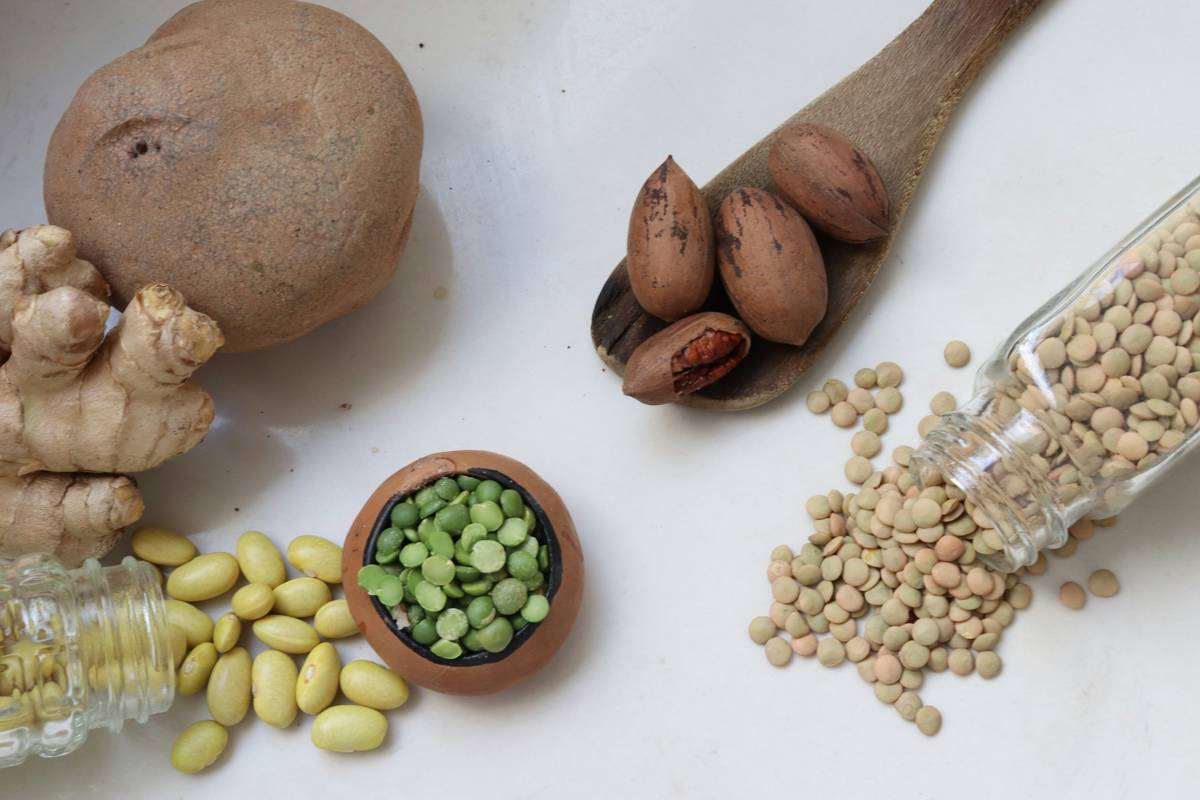
- Soluble fiber stars: cooked carrots, zucchini, oats, chia seeds, applesauce
- Resistant starch allies: cooled potatoes, green bananas, lentils
Pro tip: Always pair fiber with water—or you’ll feel like a balloon animal.
Step 3: Cook, Don’t Crunch
Raw kale salads? Save them for later. During initial healing, cook all veggies until soft. Steaming, roasting, or stewing breaks down tough cellulose, making nutrients accessible without triggering spasms. Think: ginger-carrot soup, baked sweet potato, sautéed spinach.
Step 4: Add Fermented Foods—Gently
Introduce one fermented food at a time (start with 1 tsp/day):
- Kefir (dairy or coconut)
- Sauerkraut (refrigerated, unpasteurized)
- Miso paste (in warm—not boiling—broth)
Watch for reactions. If bloating spikes, pause and revisit Step 2.
Step 5: Reintroduce Strategically
After 2–4 weeks symptom-free, test one eliminated food every 3 days. Journal everything—energy, stool quality, skin. This isn’t forever restriction; it’s intelligence gathering.
7 Non-Negotiable Best Practices (Backed by GI Docs)
- Chew like your gut depends on it (it does). Aim for 20–30 chews/bite—saliva kickstarts digestion.
- Eat on a rhythm. Irregular meals stress the gut. Try 3 balanced meals + 1 snack max.
- Ditch the “health halo” trap. Gluten-free cookies? Still junk. Focus on whole foods, not labels.
- Hydrate smart. ½ your body weight (lbs) in oz of water daily. Add electrolytes if sweating heavily.
- Sleep > supplements. Gut repair peaks during deep sleep. Prioritize 7–8 hours.
- Stress management is gut medicine. Try 5-min diaphragmatic breathing before meals.
- Patience is protocol. Healing takes 3–6 months minimum. Track non-scale victories (e.g., less brain fog).
🚫 Terrible Tip Alert: “Just Do a Juice Cleanse!”
Nope. Juicing strips away fiber—your gut’s lifeline—and floods you with sugar. One client of mine landed in the ER with severe diarrhea after a 5-day “detox.” Don’t be her.
Real People, Real Results: Before & After Gut Healing
Case Study: Maya, 34, Graphic Designer
*Symptoms*: Daily bloating, constipation, afternoon crashes
*Protocol*: Followed Steps 1–4 above for 8 weeks.
*Results*: Stool normalized by Week 3, energy doubled by Week 6. Bonus: Acne cleared without skincare changes.
*Her words*: “I thought I’d need meds forever. Turns out, my lunch was the villain.”
Science Spotlight**: A 2023 randomized trial in Gastroenterology showed that 68% of IBS patients improved on a modified Mediterranean diet (high fiber, low processed foods)—outperforming standard low-FODMAP diets long-term.
FAQs: Gut Health Diet for Beginners Edition
How fast will I see results on a gut health diet?
Many notice reduced bloating in 3–5 days. Full healing takes months—but consistency compounds. Track subtle wins!
Do I need probiotic supplements?
Rarely at first. Food-first approaches (like kefir or kimchi) are safer and more effective for beginners. Save supplements for guided use with a functional MD.
Can I eat fruit on a gut healing diet?
Yes—but start with low-fructose options: berries, green bananas, papaya. Avoid juices or dried fruit initially.
What if I’m vegetarian/vegan?
Totally doable! Focus on well-cooked legumes, tofu, tempeh, and diverse plants. Monitor B12 and iron—key for gut lining repair.
Final Thoughts: Your Gut’s Whispering—It’s Time to Listen
A gut health diet for beginners isn’t about perfection—it’s about patterns. Remove the obvious irritants, feed your microbes gently, and honor your body’s signals. You don’t need exotic powders or $200 tests to start. You just need one meal at a time.
Remember my antibiotic disaster? Two years later, I eat pizza without panic. Not because I “fixed” my gut once—but because I learned to care for it daily. That’s the real secret: healing isn’t an event. It’s breakfast tomorrow.
Like a flip phone saved your middle school crush’s number, your gut remembers every meal. Treat it kindly.