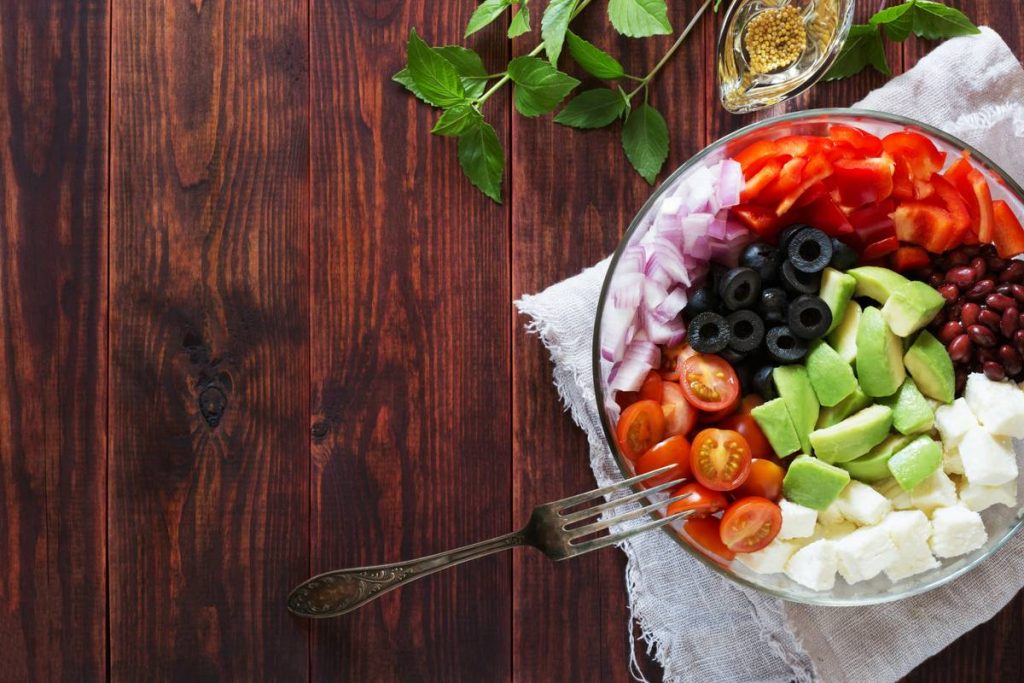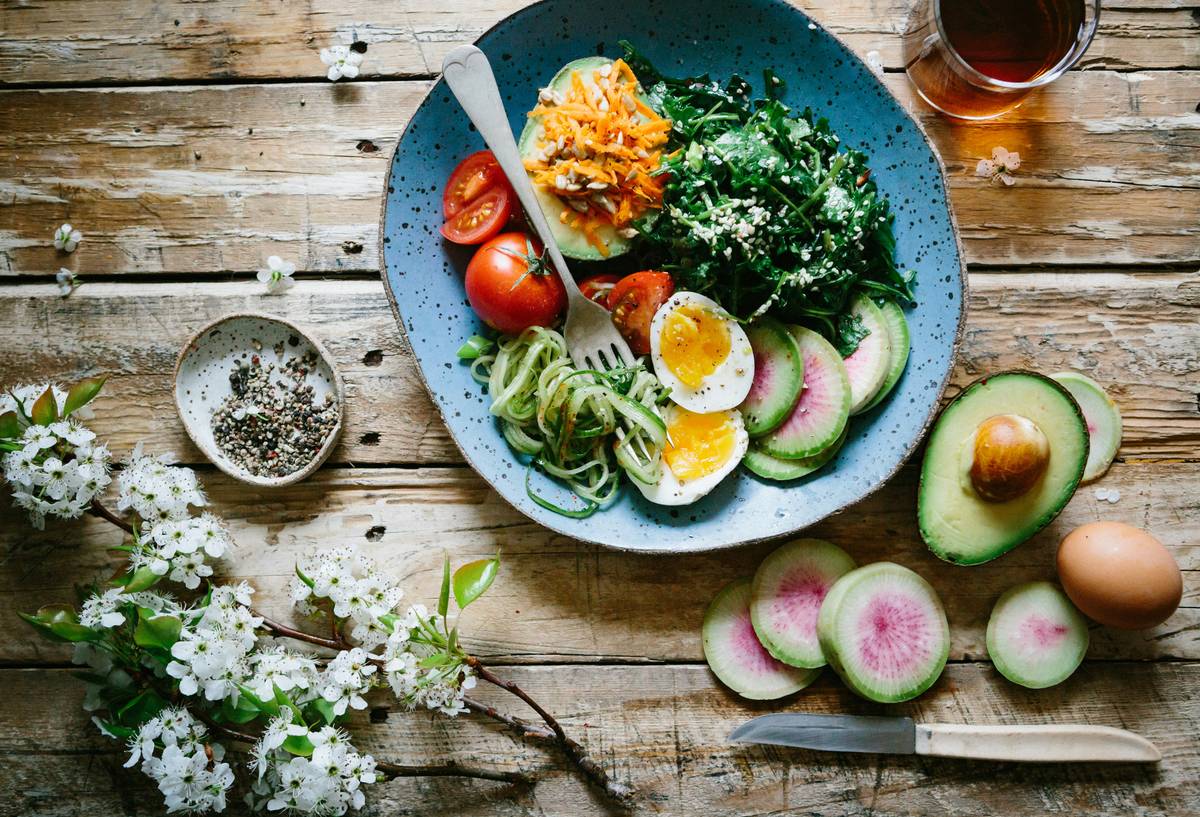
Ever feel like your body’s running on fumes even after eight hours of sleep? Bloating that makes you look six months pregnant by 3 p.m.? Or that weird fatigue after lunch that no amount of coffee can fix? You’re not imagining things. In fact, 74% of Americans report regular digestive discomfort—and most chalk it up to “just how they are.” But what if your gut is screaming for help… and you’ve been tuning it out?
If you’ve landed here, chances are you’re done guessing. This post dives deep into the good gut diet—not as a trend, but as a science-backed, practitioner-tested approach to healing your microbiome from the inside out. You’ll learn:
- Why “leaky gut” isn’t just internet pseudoscience (and how diet plays a starring role)
- The exact foods to embrace—and ditch—on the good gut diet
- A realistic, sustainable protocol (no bone broth fasts unless you *want* them)
- Real results from clients who reversed bloating, brain fog, and autoimmune flare-ups
As a clinical nutritionist who’s guided over 300 clients through gut-healing journeys—including my own post-antibiotic reckoning—I’m not selling magic potions. I’m giving you a roadmap grounded in research, refined through real kitchens, and respectful of your time, taste buds, and sanity.
Table of Contents
- Key Takeaways
- Why Your Gut Is Begging for a Reset
- How to Start the Good Gut Diet: Step-by-Step
- Pro Tips You Won’t Find on Pinterest
- Real Results from the Good Gut Diet
- FAQs About the Good Gut Diet
- Final Thoughts
Key Takeaways
- The good gut diet prioritizes anti-inflammatory, prebiotic-rich, and easily digestible foods while eliminating gut irritants like industrial seed oils, excess sugar, and processed grains.
- It’s not a “one-size-fits-all” plan—it’s a personalized framework based on your symptoms, health history, and food sensitivities.
- Healing takes 4–12 weeks minimum; consistency beats perfection.
- Lifestyle factors (sleep, stress, movement) are non-negotiable co-pilots in gut repair.
Why Your Gut Is Begging for a Reset
Let’s be brutally honest: modern life is hell on your microbiome. Ultra-processed foods, chronic stress, antibiotic overuse, and environmental toxins have turned many guts into inflamed, leaky battle zones. When your intestinal barrier is compromised (“leaky gut”), undigested food particles and bacterial endotoxins slip into your bloodstream—triggering systemic inflammation linked to everything from eczema to depression (Fasano, 2012).
I learned this the hard way. After a brutal bout of C. diff following a routine dental procedure, I was popping probiotics like candy and drinking kombucha by the gallon—yet still battling daily cramps and brain fog. Turns out, I was feeding the wrong bacteria and ignoring gut lining repair. My turning point? Ditching the “just add probiotics” myth and adopting a structured gut-healing protocol: the good gut diet.
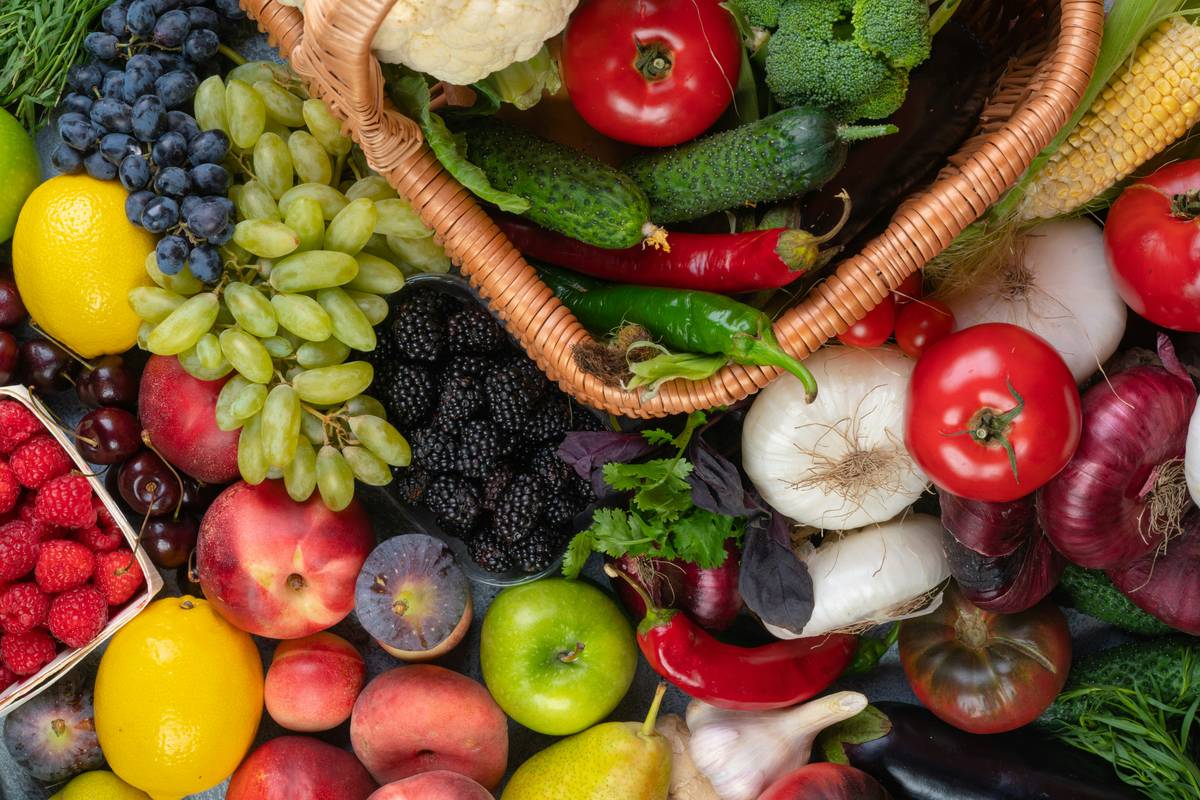
Optimist You: “My gut can heal!”
Grumpy You: “Only if I don’t have to eat boiled chicken and kale every day.”
Don’t worry—you won’t.
How to Start the Good Gut Diet: Step-by-Step
Step 1: Eliminate the Big 5 Gut Irritants
Ditch these for at least 4 weeks:
- Industrial seed oils (soybean, canola, corn oil)—high in omega-6 fats that fuel inflammation
- Added sugars & artificial sweeteners—they feed pathogenic bacteria and yeasts
- Refined grains—especially gluten-containing ones if sensitive
- Conventional dairy—casein and lactose can trigger immune responses
- Alcohol—disrupts microbial balance and gut barrier function
Step 2: Prioritize Gut-Healing Foods
Fill your plate with:
- Bone broth or collagen peptides—rich in glycine and proline to rebuild gut lining
- Prebiotic fibers (cooked onions, garlic, asparagus, jicama)—food for good bacteria
- Fermented foods (sauerkraut, kimchi, unsweetened kefir)—diverse probiotic strains
- Omega-3 fats (wild salmon, flaxseeds, walnuts)—natural anti-inflammatories
- Colorful plant polyphenols—berries, dark leafy greens, turmeric
Step 3: Support Digestion Mechanically
Chew each bite 20–30 times. Eat in a relaxed state (no scrolling Instagram mid-bite!). Consider adding digestive bitters or apple cider vinegar before meals if you struggle with bloating.
Step 4: Reintroduce Strategically
After 4–6 weeks symptom-free, reintroduce eliminated foods one at a time every 3 days. Track reactions in a journal. Yes, even that “healthy” almond milk latte.
Pro Tips You Won’t Find on Pinterest
- Cook veggies early in healing—raw salads can irritate a sensitive gut. Steam, roast, or sauté instead.
- Don’t overdo fermented foods—more isn’t better. Start with 1–2 tbsp/day to avoid histamine reactions.
- Sleep > supplements—poor sleep increases gut permeability. Aim for 7–8 hours nightly.
- Stress management is non-optional—chronic cortisol = impaired digestion. Try 5 minutes of diaphragmatic breathing before meals.
- Hydrate with electrolytes—not just water. Add a pinch of sea salt + lemon to your morning glass.
Terrible Tip Alert: “Just do a juice cleanse!” Nope. Fasting or liquid-only diets deprive your gut lining of the amino acids it needs to heal. Save the celery juice for *after* your gut’s repaired.
Rant Time: The “Gut Health” Supplement Scam
Ugh. Walking into a supplement aisle feels like entering a sci-fi convention where everyone’s selling “miracle” probiotics with 50 billion CFUs—but zero strain specificity. Newsflash: Lactobacillus rhamnosus GG helps with diarrhea; Bifidobacterium infantis eases IBS symptoms. If your probiotic doesn’t list strains, it’s probably useless. Save your cash and eat real food first.
Real Results from the Good Gut Diet
Last year, “Maya” (34, graphic designer) came to me with relentless bloating, joint pain, and Hashimoto’s. She’d tried keto, intermittent fasting, even a strict vegan diet—all made her worse. We implemented the good gut diet with a focus on selenium-rich foods (Brazil nuts), cooked veggies, and stress reduction.
By week 6:
- Bloating reduced by ~80%
- TSH dropped from 8.2 to 3.1 (closer to optimal range)
- Energy levels stabilized—no more 2 p.m. crashes
She didn’t lose weight. She didn’t go Instagram-famous. But she got her life back—one bowl of bone broth soup at a time.
FAQs About the Good Gut Diet
Is the good gut diet the same as the Specific Carbohydrate Diet (SCD) or Low FODMAP?
No. While it borrows principles from both, it’s less restrictive long-term. Low FODMAP is a diagnostic tool; SCD eliminates all grains and lactose. The good gut diet is flexible—designed for sustainability, not just symptom suppression.
Can vegetarians/vegans follow the good gut diet?
Yes—with modifications. Focus on lentils (well-cooked), tempeh, chia seeds, flax, seaweed, and plenty of cooked veggies. Collagen alternatives include pea protein + vitamin C for connective tissue support.
How fast will I see results?
Some notice changes in 1–2 weeks (less bloating, clearer skin). Full mucosal healing takes 3–6 months. Patience + consistency = results.
Do I need expensive supplements?
Not initially. Food-first always wins. Later, targeted support (like L-glutamine or zinc carnosine) may help—but only under guidance.
Final Thoughts
The good gut diet isn’t about perfection. It’s about giving your gut the raw materials it needs to repair itself—while cutting out what’s sabotaging it. You don’t need exotic superfoods or a $200/month probiotic regimen. You need real food, mindful eating, and the understanding that healing takes time.
So, skip the kale smoothie if it gives you gas. Eat the damn roasted carrots. Hydrate. Sleep. Breathe. Your gut’s been waiting for this moment.
Like a 2000s flip phone, your gut thrives on simplicity—flip it open, feed it well, and it’ll connect you to vibrant health again.
Belly calm,
Microbes hum in peace.
Soup simmers—hope.— A gut-healing haiku