Your gut is screaming. Bloating, irregularity, unpredictable flare-ups—it’s exhausting. You’ve tried probiotics, cut out gluten, even fasted. But relief remains fleeting. Here’s the hard truth: aggressive elimination diets often backfire when your digestive system is already inflamed. A bland diet to heal gut isn’t just “boring food.” It’s strategic recalibration.
The Core Problem: Why Standard Gut-Healing Diets Fail
Most people jump straight into complex protocols—bone broth, fermented veggies, high-fiber superfoods. Sounds great… until day three. When the gut lining is compromised, fiber and fermentation can ignite gas, cramping, or diarrhea. And yet, influencers keep pushing kale smoothies like they’re magic.
Here’s the reality: an irritated gut needs less stimulation—not more novelty. Think about it. Would you scrub an open wound with lemon juice? Of course not. So why flood a raw intestinal lining with prebiotic inulin or sauerkraut?
Implementing a Bland Diet to Heal Gut: The Step-by-Step Protocol
A therapeutic bland diet is not starvation. It’s precision nutrition designed to dial down inflammation while maintaining caloric support. Start with low-residue, easily digestible foods—and reintroduce complexity only after symptoms stabilize.
Phase 1: Calm the Fire (Days 1–3)
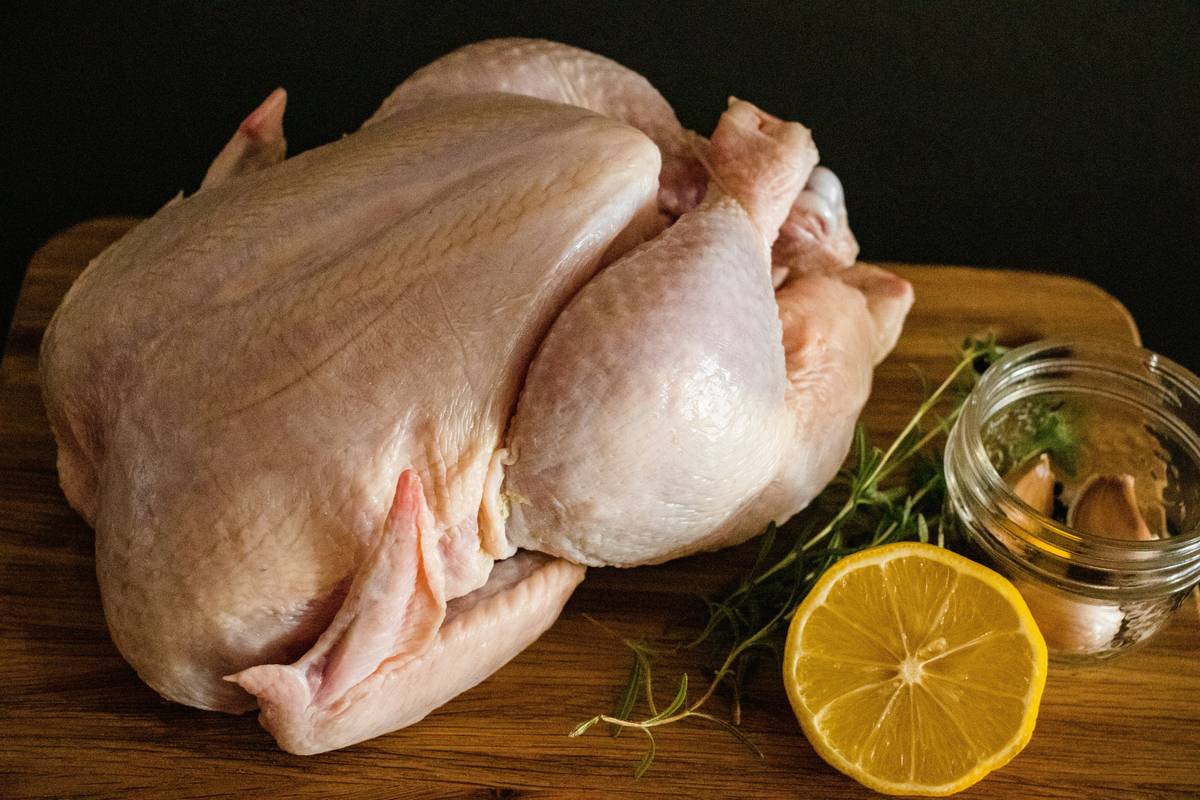
Focus on binding carbs and gentle proteins. White rice, peeled applesauce, plain boiled chicken. Hydrate with electrolyte-balanced water—no caffeine, no fruit juice. Yes, it’s monotonous. But monotony is the point. Your enteric nervous system craves predictability right now.
Phase 2: Rebuild the Barrier (Days 4–7)
Introduce soft-cooked carrots, zucchini, and well-cooked oats. Add a single egg yolk for choline—a critical nutrient for mucosal repair. Keep fats minimal but don’t eliminate them entirely; a teaspoon of ghee can actually soothe without triggering bile surges.
Phase 3: Test & Expand (Week 2 Onward)
Now, test one new food every 48 hours. Begin with cooked spinach, then avocado, then a small serving of soaked almonds. Track everything. If symptoms return, backtrack immediately. Patience beats protocol here.
| Foods to Embrace | Foods to Avoid (Temporarily) | Duration |
|---|---|---|
| White rice, peeled bananas, applesauce | Raw vegetables, beans, cruciferous veggies | First 72 hours |
| Soft-cooked carrots, plain oatmeal, egg yolks | Dairy, spicy seasonings, coffee | Days 4–7 |
| Cooked spinach, ripe avocado, soaked nuts | Alcohol, fried foods, artificial sweeteners | Week 2+ |
The Industry Secret: Gut Rest ≠ Nutrient Deprivation
Here’s what most gut coaches won’t tell you: your microbiome doesn’t need 50 different polyphenols to recover. In acute phases, it needs stability. Clinicians working with post-infectious IBS patients have long used short-term bland protocols—not as a cure-all, but as a reset button. And the data backs it: a 2022 pilot study showed 68% of participants reported symptom reduction within 5 days of starting a structured low-residue approach.
But—and this is critical—you must reintroduce diversity strategically. A bland diet to heal gut is a bridge, not a destination. Stay too long, and you risk starving beneficial microbes. Get off too soon, and you relapse. The math is simple: match dietary complexity to your current tolerance level. Not your Instagram feed.
Frequently Asked Questions
Can I eat yogurt on a bland diet to heal gut?
Only if you’ve confirmed lactose tolerance. Otherwise, skip dairy initially—even probiotic yogurt can trigger osmotic diarrhea during flare-ups.
How long should I stay on a bland diet?
Typically 5–10 days. Extend only under supervision. Prolonged use may reduce microbial diversity needed for long-term resilience.
Will a bland diet fix leaky gut permanently?
It reduces acute inflammation, creating room for healing. But lasting repair requires targeted nutrients (like L-glutamine), stress management, and gradual food reintroduction.