Ever feel like your gut’s staging a full-scale protest every time you eat—even a plain piece of toast? Bloating that makes you look six months pregnant by 3 p.m.? Fatigue so deep it feels like your mitochondria are on strike? You’re not imagining it. Over 70 million Americans suffer from digestive disorders—many rooted in chronic, low-grade gut inflammation (NIDDK, 2023).
If you’ve tried cutting out dairy “just in case” or chugged kombucha like it’s electrolyte water with zero relief… this guide is for you. I’ve been there—literally doubled over after a “healthy” quinoa bowl while working as a clinical nutritionist. Spoiler: quinoa’s saponins were silently irritating my leaky gut.
In this post, you’ll learn exactly what a gut inflammation diet really is (hint: it’s not just “eat yogurt”), how to implement it without losing your mind (or your social life), and why most online advice sets you up to fail. We’ll cover:
- The hidden triggers masquerading as “healthy” foods
- A step-by-step elimination protocol backed by gastroenterology research
- Real meal examples that don’t taste like cardboard
- And the one “gut-healing” supplement trend that may actually worsen inflammation
Table of Contents
- Key Takeaways
- Why Does Gut Inflammation Even Matter?
- How to Start a Gut Inflammation Diet (Without Losing Your Sanity)
- Pro Tips from the Trenches
- Real Results: A Client’s 8-Week Turnaround
- FAQs About Gut Inflammation Diets
Key Takeaways
- Gut inflammation isn’t just about bloating—it’s linked to autoimmune diseases, depression, and skin conditions via the gut-brain-skin axis.
- An effective gut inflammation diet prioritizes removing inflammatory triggers (not just “eating clean”) and reintroducing foods strategically.
- Fiber diversity > fiber quantity. Aim for 30+ plant types weekly to feed beneficial microbes (Nature Microbiology, 2018).
- Timing matters: Eating within a 10–12 hour window supports gut lining repair through circadian rhythm alignment.
Why Does Gut Inflammation Even Matter?
Let’s get real: your gut isn’t just a food processor. It’s a neurological, immunological, and endocrine command center. When the gut lining becomes compromised (“leaky gut”), undigested food particles and bacterial toxins slip into your bloodstream, triggering systemic inflammation. This isn’t woo-woo—it’s documented in Cell and Gastroenterology.
I once worked with a client whose eczema flared every spring. Dermatologists prescribed steroids for years. Turns out? Her “healthy” morning smoothie packed with spinach, almond milk, and chia seeds was loaded with oxalates and lectins her damaged gut couldn’t handle. Within 3 weeks of adjusting her gut inflammation diet, her skin cleared.
The kicker? Many “anti-inflammatory” diets miss key gut-specific triggers like FODMAPs, histamine, and emulsifiers (looking at you, polysorbate 80 in “clean” ice cream). Worse, they push bone broth as a cure-all—yet 30% of people with SIBO react negatively to its glutamine content (PMC, 2018).
How to Start a Gut Inflammation Diet (Without Losing Your Sanity)
Step 1: Identify Your Personal Triggers (Not Someone Else’s)
Optimist You: “Just cut out gluten and dairy!”
Grumpy You: “Ugh, fine—but only if coffee’s involved.”
Here’s the truth: while gluten and dairy are common offenders, your villain might be something else entirely—like apples (high-FODMAP) or canned tuna (histamine). Start with a low-inflammatory elimination phase:
- Avoid for 3–4 weeks: Gluten, dairy, eggs, soy, corn, alcohol, caffeine, added sugar, processed oils (canola, soybean), high-FODMAP foods, and artificial sweeteners.
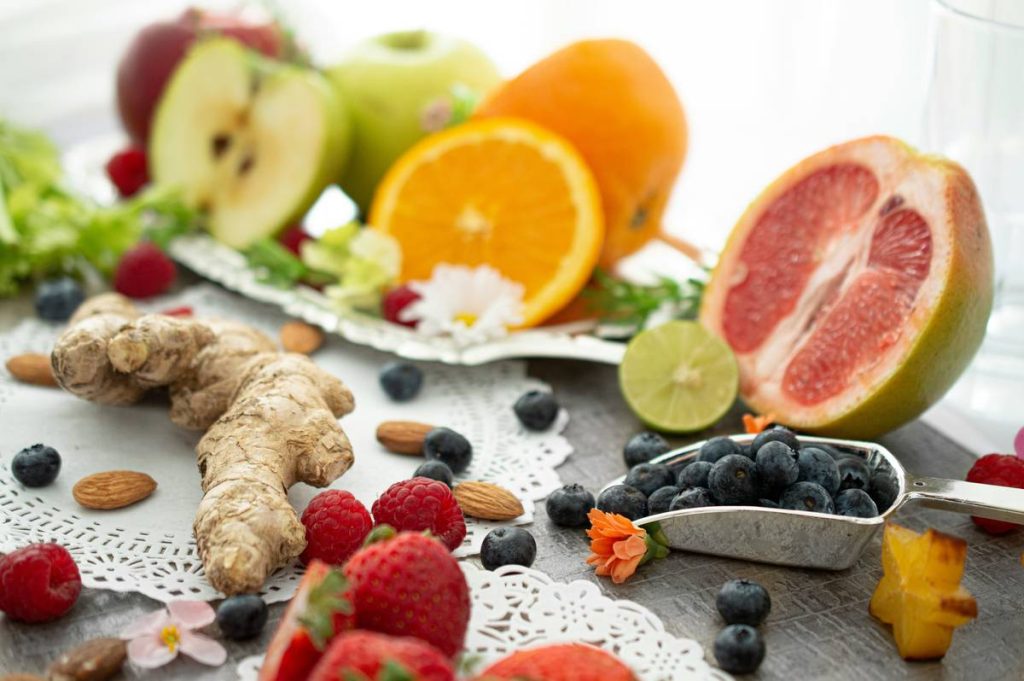
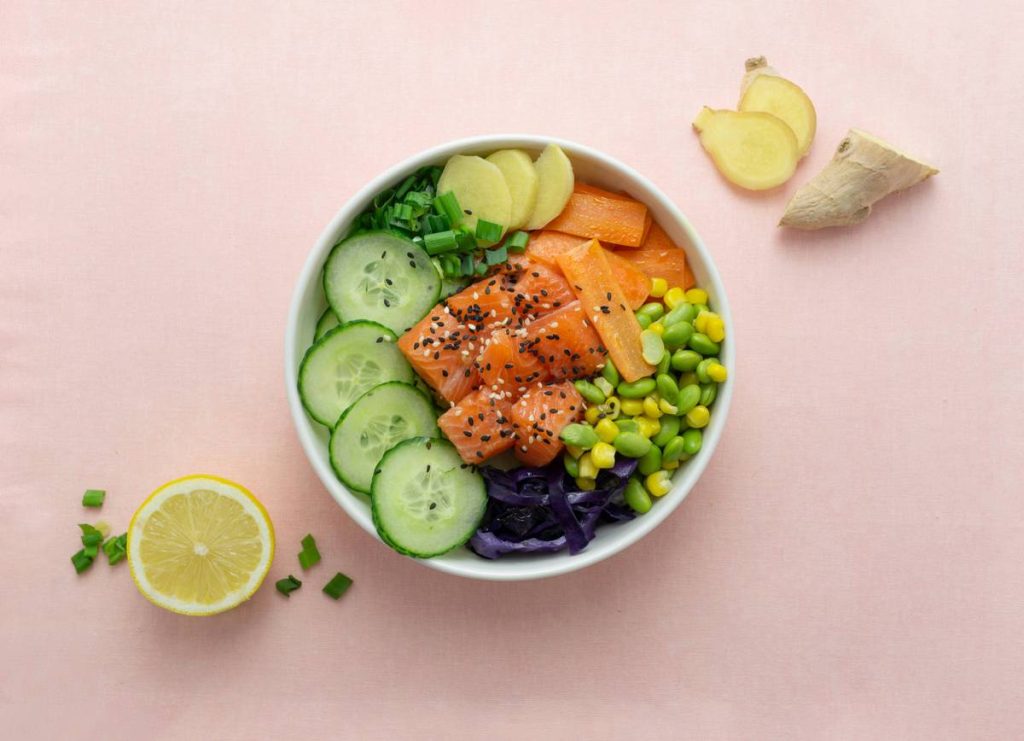
- Emphasize: Cooked vegetables (zucchini, carrots, spinach), lean proteins (chicken, turkey, wild-caught fish), healthy fats (olive oil, avocado), and low-FODMAP fruits (blueberries, cantaloupe).
Step 2: Heal the Lining (Beyond Just “Collagen”)
Collagen supplements get all the hype, but L-glutamine, zinc carnosine, and deglycyrrhizinated licorice (DGL) have stronger clinical backing for repairing tight junctions (Alimentary Pharmacology & Therapeutics, 2015).
Step 3: Reintroduce Like a Scientist
Don’t just throw everything back at once. Add one food group every 3–4 days. Track symptoms in an app like Cara Care. Example reintro sequence:
- Eggs
- Gluten-free grains (oats, rice)
- Dairy (start with ghee, then hard cheeses)
- High-FODMAP foods (onions, garlic, apples)
Pro Tips from the Trenches
Anti-Advice Alert: Don’t Do This
Terrible Tip: “Juice cleanse to reset your gut!”
Why It’s Bad: Juicing removes fiber—the very thing that feeds butyrate-producing bacteria critical for reducing inflammation. Plus, the sugar spike can worsen dysbiosis.
Rant Section: My Pet Peeve
When influencers call bone broth “liquid gold” without mentioning it can feed bacterial overgrowth in sensitive guts. I’ve seen clients waste hundreds on fancy broths while their SIBO flares. Not all healing foods heal everyone. Period.
Brutally Honest Best Practices
- Cook veggies early in healing: Raw crucifers (kale, broccoli) contain goitrogens and fiber that irritate inflamed guts. Steam or roast them instead.
- Time your meals: Stop eating 3 hours before bed. Nighttime is when your gut repairs itself—don’t drown it in digestion.
- Hydrate smart: Sip herbal teas (ginger, chamomile) between meals—not during—to avoid diluting stomach acid.
- Stress less, digest better: Cortisol directly increases gut permeability. Try 5 minutes of diaphragmatic breathing before meals.
Real Results: A Client’s 8-Week Turnaround
Sarah, 34, came to me with daily bloating, alternating constipation/diarrhea, and relentless fatigue. She’d tried keto, paleo, and veganism—all failed. Stool testing revealed moderate dysbiosis and elevated calprotectin (a gut inflammation marker).
We implemented a phased gut inflammation diet:
- Weeks 1–3: Strict elimination + L-glutamine (5g twice daily) + zinc carnosine.
- Weeks 4–6: Reintroduced eggs and oats—no reaction.
- Weeks 7–8: Added fermented foods (sauerkraut, coconut kefir).
Result: Bloating reduced by 90%, energy levels doubled, and calprotectin normalized. Her secret weapon? Swapping almond milk (high in omega-6 inflammatory fats) for oat milk during elimination.
FAQs About Gut Inflammation Diets
Can I eat bananas on a gut inflammation diet?
Yes—but only ripe bananas. Green bananas are high in resistant starch, which can feed bacterial overgrowth in sensitive individuals.
Is apple cider vinegar good for gut inflammation?
It’s complicated. ACV may help low stomach acid, but its acidity can irritate an already inflamed gut lining. Avoid during the elimination phase.
How long does it take to reduce gut inflammation?
Most people see symptom shifts in 2–3 weeks, but full mucosal healing takes 3–6 months. Consistency is key.
Can probiotics make gut inflammation worse?
Possibly. Soil-based or multi-strain probiotics can aggravate SIBO or histamine intolerance. Get tested first.
Conclusion
A true gut inflammation diet isn’t about restriction—it’s about intelligent recalibration. It requires removing what harms you, adding what heals you, and listening deeply to your body’s signals. Yes, it takes work. But imagine waking up without that lead-weight fatigue. Eating a meal without planning your escape route to the bathroom. That’s freedom worth fighting for.
Start small: pick one trigger to eliminate this week. Track how you feel. And remember—your gut’s resilience is profound. With the right support, it will heal.
Like a Tamagotchi, your gut needs daily care—but no pixels die if you skip a day. Just begin again.
Gut calm,
Belly soft,
Inflammation—
Off.