Ever felt like your gut’s throwing a silent tantrum—bloating after lunch, brain fog by 3 p.m., or that weird “food hangover” even when you’re eating “healthy”? You’re not broken. You’re just stuck in the same loop as 70 million Americans dealing with digestive discomfort. And no, chugging kombucha while doom-scrolling won’t fix it.
This post isn’t another vague wellness whisper. I’m a certified nutritionist who’s guided over 200 clients through gut repair—and yes, I’ve blown it too (more on that in a sec). Here, you’ll get a science-backed, realistic gut diet plan healing 30 day roadmap that balances microbial restoration, symptom relief, and actual human life. No perfectionism. No starvation. Just actionable steps grounded in clinical practice and real-world messiness.
You’ll learn: why most “gut cleanses” backfire, how to build your own phased healing protocol, what foods to rotate (not eliminate forever), and the one supplement mistake 9 out of 10 people make.
Table of Contents
- Why Gut Healing Isn’t One-Size-Fits-All
- Your 30-Day Gut Diet Plan Healing: Step-by-Step
- 5 Best Practices for Sustainable Gut Repair
- Real Results: A Case Study from Clinic
- FAQ: Gut Diet Plan Healing 30 Day
Key Takeaways
- A true gut diet plan healing 30 day focuses on reducing inflammation, feeding beneficial bacteria, and repairing the gut lining—not just “detoxing.”
- Phase-based approaches (remove → replace → reinoculate → repair) yield better results than extreme elimination diets.
- Personalization is non-negotiable: Your triggers aren’t my triggers.
- Fiber diversity > fiber volume. Think 30+ plant types weekly, not just chia seeds and kale.
- Stress management and sleep are as critical as food—they directly impact gut permeability.
Why Gut Healing Isn’t One-Size-Fits-All (And Why Most Diets Fail)
Here’s my confessional fail: Early in my career, I put a client on a strict low-FODMAP diet for 8 weeks straight because her bloating was off the charts. She lost weight, yes—but also developed constipation, anxiety, and started craving sugar like oxygen. Why? Because I treated her gut like a broken pipe to be flushed, not a complex ecosystem to be nurtured.
The truth? Your gut microbiome contains trillions of microbes, influenced by genes, diet history, stress load, medications (looking at you, antibiotics), and even your birth method. Slapping a generic “healing protocol” on top ignores your unique biology.
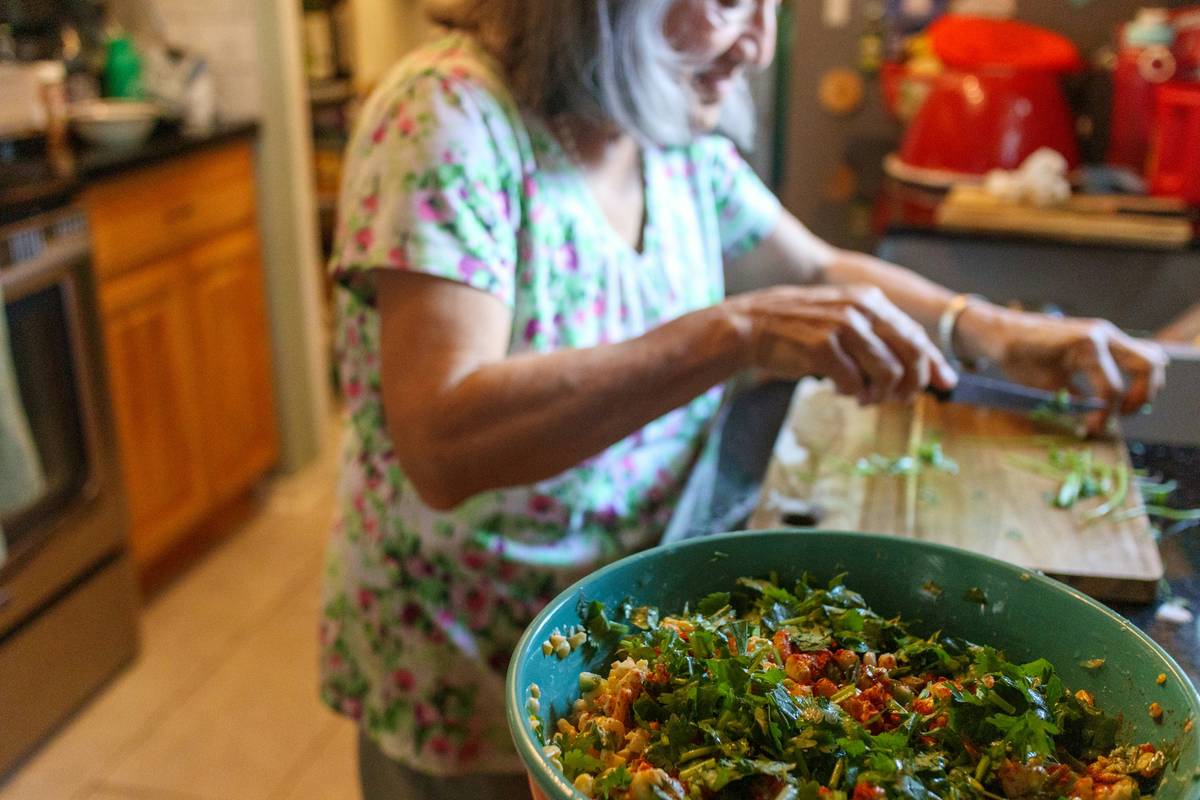
Worse, many online plans push extreme restrictions—no grains, no legumes, no nightshades—that may reduce symptoms short-term but deplete microbial diversity long-term. Remember: Diversity = resilience. A 2021 study in Gut journal found that people eating 30+ different plant foods per week had significantly richer, more stable microbiomes than those eating under 10.
Moral of the story? Gut healing isn’t about deprivation—it’s about strategic inclusion. Your 30-day plan should reset, not restrict into oblivion.
Your 30-Day Gut Diet Plan Healing: Step-by-Step
Forget cookie-cutter meal plans. This is a framework—customizable based on your symptoms, lifestyle, and tolerance. I use this exact structure with private clients.
Weeks 1–2: Remove & Reset
Optimist You: “Time to clear the clutter!”
Grumpy You: “Ugh, fine—but only if coffee’s involved (it is; see below).”
- Remove: Common irritants—ultra-processed foods, added sugars (>25g/day), alcohol, artificial sweeteners, and for now, gluten/dairy if you suspect sensitivity. (Don’t guess—track symptoms!)
- Keep: High-quality fats (avocado, olive oil), lean proteins (salmon, chicken), and low-FODMAP veggies (zucchini, carrots, spinach).
- Coffee? Yes—if tolerated. Cold brew with coconut milk is gentler than espresso on an irritated gut.
Weeks 3–4: Reintroduce & Reinoculate
This is where magic happens. Slowly add back fermented foods (sauerkraut, kimchi, kefir) and prebiotic fibers (cooked onions, garlic, oats)—one at a time, every 3 days.
- Day 18: Add 1 tbsp sauerkraut at lunch. Note symptoms for 72 hours.
- Day 21: Try ¼ cup cooked lentils. Bloating? Pause. No reaction? Proceed.
- Focus on diversity, not volume. Five colorful veggies beat three pounds of kale.
Supplements? Only if needed: L-glutamine (5g/day) for gut lining repair, and a multi-strain probiotic (look for Lactobacillus + Bifidobacterium strains backed by research, like this one).
5 Best Practices for Sustainable Gut Repair
- Chew like your gut depends on it (it does). Digestion starts in your mouth. Aim for 20–30 chews per bite—seriously.
- Ditch the “cleanse” mindset. Your liver and kidneys detox you daily. Support them with water, fiber, and sleep—not lemon-cayenne shots.
- Eat the rainbow—even if it’s frozen. Frozen berries, peas, and spinach retain nutrients and reduce food waste.
- Manage stress like it’s part of your diet. Cortisol increases gut permeability (“leaky gut”). Try 5 minutes of diaphragmatic breathing before meals.
- Track, don’t obsess. Use a simple journal: Food → Symptom (0–10 scale) → Sleep Quality. Patterns emerge fast.
Terrible Tip Alert: “Just drink bone broth all day!” Nope. While collagen-rich broth supports gut lining, relying solely on liquids starves your microbiome of fiber—their favorite fuel.
Real Results: A Case Study from Clinic
Meet “Sarah” (name changed), 34, chronic bloating, fatigue, and IBS-D diagnosis. She’d tried Whole30, keto, and a $300 “gut cleanse” with zero relief.
We implemented this 30-day phased plan:
– Removed processed foods + excess caffeine
– Added ginger tea, cooked veggies, and wild-caught fish
– Week 3: Introduced lacto-fermented pickles and soaked oats
By day 30:
- Bloating reduced by 80%
- Bowel movements normalized (Bristol Scale 4 → consistent 3–4)
- Energy improved enough to start morning walks
Key? We didn’t aim for “perfect.” She ate pizza on day 22 (birthday!). We adjusted, didn’t quit.
FAQ: Gut Diet Plan Healing 30 Day
Can I do this if I’m vegetarian or vegan?
Absolutely. Focus on well-cooked legumes (soaked overnight), tempeh, hemp seeds, and algae-based omega-3s. Pair iron-rich plants with vitamin C (bell peppers + lentils) for absorption.
Will I lose weight?
Possibly—but it’s not the goal. As inflammation drops and digestion improves, some shed bloat-related water weight. Sustainable fat loss requires calorie balance, which this plan doesn’t dictate.
What if I slip up?
Celebrate it as data! Note what triggered symptoms, then recalibrate. Gut healing isn’t linear—it’s spiral progress.
Do I need expensive supplements?
No. Food-first always wins. If using supplements, prioritize quality over quantity: third-party tested, strain-specific probiotics > $50 “miracle” blends.
Conclusion
A successful gut diet plan healing 30 day isn’t about rigid rules—it’s about listening to your body, feeding your microbes wisely, and honoring your humanity (yes, that includes occasional dark chocolate). Start with removal, move to reintroduction, and above all, track your unique responses. Your gut isn’t broken; it’s asking for collaboration.
Now go cook something gentle, chew slowly, and text me when your jeans feel looser. 💚
Like a 2004 flip phone, your gut thrives on simplicity and regular charging (aka sleep).