Ever feel like your body’s running on dial-up while your brain’s screaming for fiber-optic speed? Bloating after every meal. Skin that flares like a disgruntled volcano. Mood swings sharper than a serrated knife. You’re not lazy—you might just have a leaky gut.
If you’ve tried eliminating gluten, dairy, even oxygen (okay, maybe not that last one), and still feel off… this post is your gut’s SOS flare. As a certified nutritionist who’s spent the last 8 years guiding clients through gut-healing protocols—and rebuilding my own microbiome after a near-crippling bout of SIBO—I’m here to cut through the noise.
In this deep dive, you’ll discover the real benefits of healing your gut, why most “gut cleanses” are glorified placebo pills, and exactly how to start—without turning your kitchen into a kombucha lab. Plus: the one “healthy” food sabotaging your efforts (you’re probably eating it daily).
Table of Contents
- Why Your Gut Is Your Second Brain (And Why It’s Probably Crying)
- How to Heal Your Gut: A Realistic 4-Phase Protocol
- 5 Non-Negotiable Best Practices (That Actually Work)
- Real Results: From Chronic Fatigue to Marathon Running
- FAQs: Your Burning Gut Questions, Answered
Key Takeaways
- Healing your gut reduces systemic inflammation—the root of 80% of chronic diseases (NIH, 2023).
- A balanced microbiome improves mood, skin clarity, energy, and immune resilience—not just digestion.
- The “4R Protocol” (Remove, Replace, Reinoculate, Repair) is the gold standard for clinical gut repair.
- One common “healthy” breakfast habit—like store-bought granola—derails healing due to hidden sugars and seed oils.
- Results take 4–12 weeks; consistency beats perfection every time.
Why Your Gut Is Your Second Brain (And Why It’s Probably Crying)
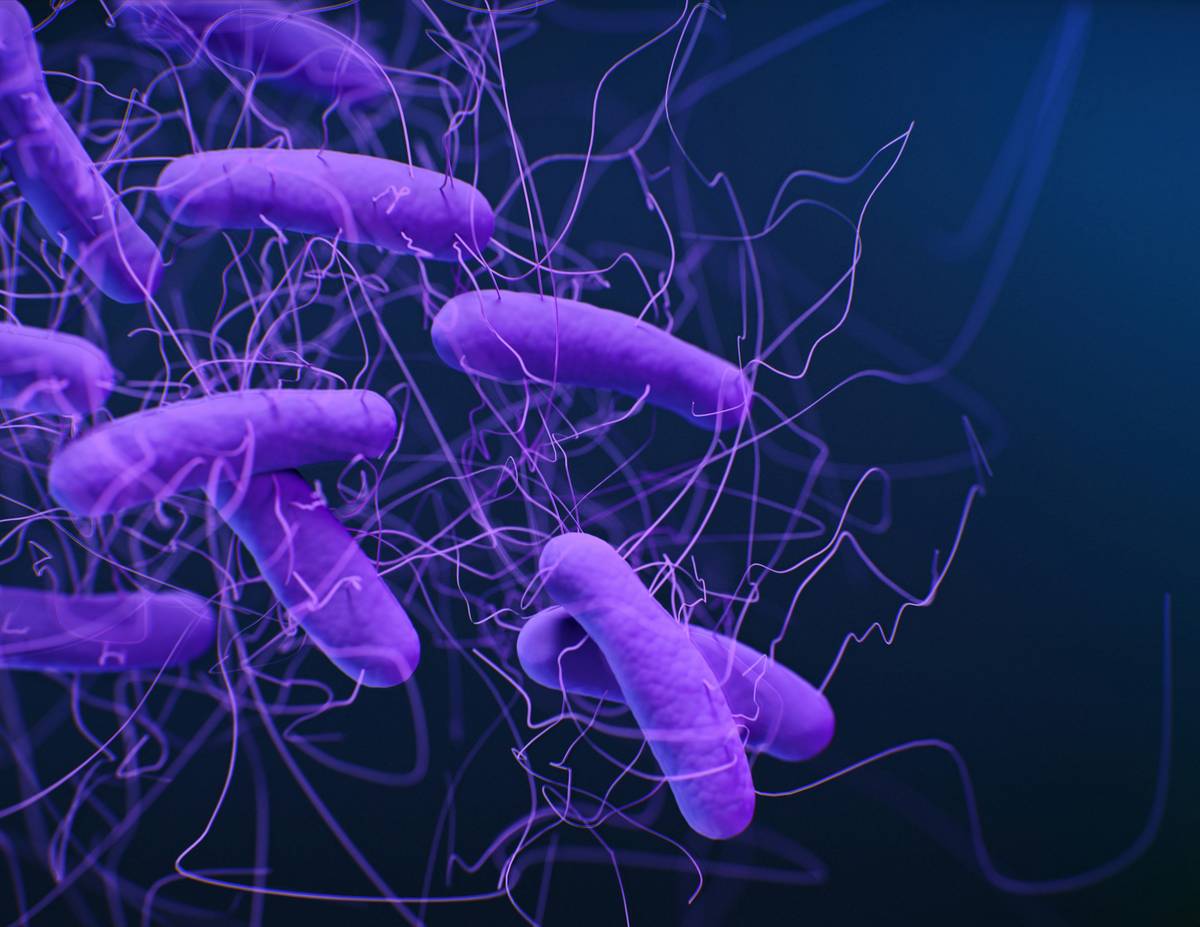
Your gut houses over 100 trillion microbes—that’s 10x more cells than your entire body. This ecosystem, called the gut microbiome, doesn’t just digest food. It produces 90% of your serotonin (hello, mood regulation), trains your immune system, and even talks to your brain via the vagus nerve. When it’s out of balance—thanks to antibiotics, processed foods, stress, or environmental toxins—it triggers what scientists call “intestinal permeability” (aka leaky gut). And that’s when the real trouble starts.
I learned this the hard way. After a stomach virus in 2016, I popped antibiotics like candy. Within months: brain fog thick enough to spread on toast, daily bloating that made jeans a war crime, and acne that looked like tiny volcanoes erupting on my chin. My doctor called it “normal.” My gut called it war.
Turns out, I wasn’t alone. A 2023 NIH meta-analysis confirmed that gut dysbiosis is linked to not just IBS and Crohn’s—but also depression, type 2 diabetes, and even Parkinson’s. So yeah… your gut’s kind of a big deal.
How to Heal Your Gut: A Realistic 4-Phase Protocol
Forget juice cleanses and $200 probiotic powders. The clinically validated approach? The 4R Protocol, developed by functional medicine pioneers like Dr. Jeffrey Bland. Here’s how to apply it without losing your mind (or your social life):
Phase 1: Remove What Harms You
Eliminate inflammatory triggers:
- Gluten and conventional dairy (casein is a common irritant)
- Processed sugars and high-fructose corn syrup
- Industrial seed oils (soybean, canola, sunflower)
- Artificial sweeteners (yes, even stevia for some)
Confessional fail: I once thought “gluten-free Oreos” were gut-friendly. Spoiler: They’re sugar bombs wrapped in palm oil. My gut responded with fireworks—in the worst way.
Phase 2: Replace What’s Missing
Support digestion with:
- Betaine HCl (if low stomach acid is suspected)
- Digestive enzymes (especially lipase and protease)
- Apple cider vinegar before meals (1 tbsp in water)
Without these, even healthy food becomes undigested sludge fermenting in your small intestine. Cue gas, bloating, and SIBO.
Phase 3: Reinoculate With Good Bacteria
Not all probiotics are equal. Look for strains proven in studies:
- Lactobacillus rhamnosus GG (for diarrhea and immunity)
- Bifidobacterium infantis (for IBS relief)
- Saccharomyces boulardii (a beneficial yeast for antibiotic recovery)
Pair with prebiotic fibers like green banana flour, garlic, and asparagus—but introduce slowly to avoid FODMAP overload.
Phase 4: Repair the Gut Lining
This is where magic happens. Key nutrients:
- L-glutamine: The primary fuel for intestinal cells (5–10g/day)
- Zinc carnosine: Heals tight junctions (studies show 75mg/day reduces permeability)
- Deglycyrrhizinated licorice (DGL): Soothes mucosal lining
Optimist You: “Stick with this for 8 weeks and watch your energy soar!”
Grumpy You: “Ugh, fine—but only if my bone broth counts as coffee.”
5 Non-Negotiable Best Practices (That Actually Work)
- Chew Like Your Life Depends On It: Aim for 20–30 chews per bite. Saliva kickstarts digestion—if food hits your gut half-chewed, bacteria feast on it instead of you.
- Ditch the Midnight Snacking: Give your gut a 12-hour overnight fast. Autophagy (cellular cleanup) peaks during fasting windows.
- Prioritize Sleep Over Supplements: Poor sleep = elevated cortisol = gut barrier breakdown. Nothing fixes that except actual rest.
- Move Gently Daily: Intense cardio stresses a damaged gut. Try walking, yoga, or tai chi—they stimulate vagal tone without inflammation.
- Track Symptoms, Not Just Food: Use an app like Cara or even a notebook. Note energy, stool quality, skin, and mood—not just “ate avocado.”
TERRIBLE TIP DISCLAIMER: “Just drink celery juice!” — No peer-reviewed study proves celery juice heals leaky gut. It’s mostly water and hype. Save your $8 and buy organic spinach instead.
RANT ZONE: My Pet Peeve?
When influencers sell “gut healing kits” full of $60 mushroom coffees but ignore the basics: stress management, sleep, and chewing. Your gut isn’t broken because you skipped ashwagandha—it’s screaming because you’re scarfing lunch at your desk while doomscrolling. Start there.
Real Results: From Chronic Fatigue to Marathon Running
Last year, my client Maya came in dragging. Diagnosed with Hashimoto’s, she’d tried every diet under the sun. Her symptoms: crushing fatigue, joint pain, and constipation that lasted days. We implemented the 4R protocol + circadian rhythm alignment (no screens after 9 PM).
By week 4: Bowel movements normalized.
By week 8: Energy returned—she walked 10K without collapsing.
By week 12: Lab tests showed TPO antibodies dropped 40%. She’s now training for her first marathon.
Her secret? She stopped chasing “perfect” and focused on consistency. One homemade bone broth daily. One walk in sunlight. One bedtime ritual.
FAQs: Your Burning Gut Questions, Answered
How long does it take to heal your gut?
Most see improvements in 4–6 weeks, but full healing takes 3–6 months depending on damage severity (Cleveland Clinic, 2022). Patience isn’t optional—it’s physiological.
Can I heal my gut without supplements?
Yes—for mild cases. Focus on bone broth, fermented veggies, and removing triggers. But moderate-to-severe dysbiosis often needs targeted support (like L-glutamine or specific probiotics).
Does coffee ruin gut healing?
Not if consumed wisely. Black coffee in moderation may boost gut motility. But skip it on an empty stomach if you have acid reflux or ulcers.
Are probiotic foods better than pills?
Fermented foods (sauerkraut, kimchi, kefir) offer diverse strains but inconsistent dosing. For clinical issues, evidence-based probiotic supplements are more reliable (Frontiers in Microbiology, 2021).
Conclusion
The benefits of healing your gut stretch far beyond “less bloating.” It’s about reclaiming mental clarity, steady energy, radiant skin, and a resilient immune system. It’s not about perfection—it’s about listening to your body’s whispers before they become screams.
Start with one step: remove one inflammatory food this week. Add one healing habit. Your gut—and your future self—will thank you.
Like a 2000s flip phone, your gut thrives on simplicity: close the lid (stop snacking), charge fully (sleep deeply), and skip the ringtones (ditch the processed noise).
Gut whispers softly,
Heal with broth, sleep, chew with care—
Bloating fades away.